
The Evolution of Workplace Performance Measurement
The workplace has undergone a dramatic transformation in recent years. With remote and hybrid work becoming common, organizations are rethinking how employee performance is evaluated. Appraisals in the Remote Work Age are no longer just routine HR activities—they have become strategic tools for engagement, accountability, and organizational growth.
- The Evolution of Workplace Performance Measurement
- Shifting From Visibility to Results
- Aligning Performance Reviews With Modern HR Expectations
- Technology-Driven Feedback Systems
- Ensuring Fairness Across Distributed Teams
- Connecting Performance Reviews With Business Growth
- Practical Strategies for Effective Remote Appraisals
- Building a Culture of Continuous Improvement
- Transform Your Performance Strategy
In distributed teams operating across different locations and time zones, traditional performance evaluation methods are no longer sufficient. Companies now rely on trust, transparency, and continuous communication to ensure that performance reviews remain fair, motivating, and aligned with business objectives.
Digital collaboration platforms, real-time reporting systems, and virtual leadership models have further changed how work is observed and measured. These developments require organizations to design appraisal systems that reflect modern work dynamics.
Shifting From Visibility to Results
In traditional office environments, performance was often linked to visibility—being present in meetings, staying late, or being physically accessible. However, remote work shifts the focus from presence to results and outcomes.
As a result, appraisals in the Remote Work Age prioritize:
- Deliverables and project outcomes
- Quality and consistency of work
- Meeting deadlines and commitments
- Collaboration across digital environments
This shift encourages employees to take greater ownership of their responsibilities while allowing managers to assess performance more objectively.
Modern technology insights also support this transformation. Project management tools, analytics dashboards, and collaboration platforms now provide measurable performance indicators that strengthen transparency and reduce bias in evaluations.
Aligning Performance Reviews With Modern HR Expectations
Human resource teams are actively redesigning performance review frameworks to align with emerging HR trends and insights.
One major shift is moving away from traditional annual reviews. Instead, organizations are implementing:
- Quarterly performance discussions
- Monthly progress check-ins
- Continuous feedback systems
These shorter feedback cycles help employees stay aligned with evolving goals and allow organizations to address challenges earlier.
Additionally, modern appraisals now consider employee well-being alongside productivity. Remote employees may face isolation, communication barriers, or burnout. Balanced reviews that address both professional development and personal well-being create a healthier and more supportive work environment.
Technology-Driven Feedback Systems
Digital transformation has significantly influenced how feedback is delivered in remote teams.
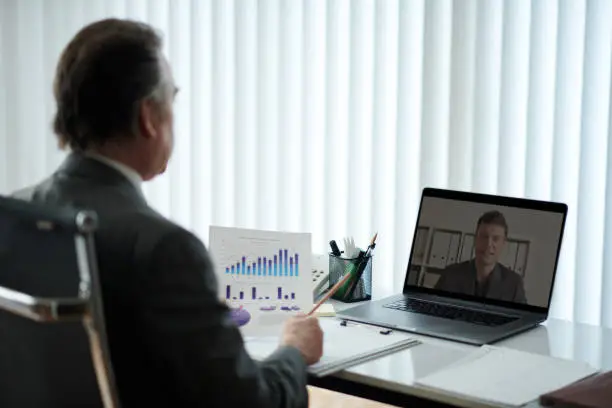
Virtual meeting platforms, collaborative documents, and performance management systems allow managers to provide real-time feedback rather than waiting for formal review cycles.
Recent discussions in IT industry news highlight how artificial intelligence and automation are beginning to enhance performance management tools. These technologies can analyze work patterns, identify performance trends, and help managers make more informed evaluations.
Technology also connects individual performance metrics with broader organizational goals. Insights from performance reviews can support decision-making across departments, including:
- Financial forecasting influenced by finance industry updates
- Strategic planning guided by sales strategies and research
- Campaign performance analysis in marketing trends analysis
This integration ensures that employee performance contributes directly to organizational growth.
Ensuring Fairness Across Distributed Teams
Maintaining fairness and consistency is one of the biggest challenges in remote performance evaluations.
Distributed teams may have different work environments, schedules, and communication styles. Without clear evaluation criteria, performance reviews may become inconsistent.
To address this, organizations must establish:
- Transparent performance metrics
- Documented expectations for roles and responsibilities
- Standardized review frameworks
Equally important is leadership development. Managers must learn how to lead and evaluate remote teams effectively. Strong communication skills and active listening are essential for conducting meaningful virtual performance discussions.
When leaders adapt their management style to remote environments, performance reviews become more constructive and impactful.
Connecting Performance Reviews With Business Growth
Performance appraisals are not isolated HR activities. They directly influence innovation, productivity, and overall business success.
Insights gathered during performance reviews often inform:
- Product and service improvements
- Customer experience strategies
- Workforce planning initiatives
Data from employee evaluations can also shape sales strategies and research while supporting marketing trends analysis that guides brand communication.
When employees clearly understand how their contributions support broader business outcomes, they feel more motivated and engaged.
As a result, appraisals in the Remote Work Age become tools for empowerment rather than sources of anxiety.
Practical Strategies for Effective Remote Appraisals
Organizations seeking to improve remote performance reviews can adopt several practical strategies:
- Define clear goals and measurable performance indicators
- Maintain regular communication between managers and employees
- Use data-driven tools to support fair evaluations
- Encourage employees to conduct self-assessments
- Focus on future development rather than past mistakes
Forward-looking reviews help employees understand how they can grow within evolving roles while supporting organizational priorities.
Leaders who demonstrate empathy, flexibility, and transparency are better equipped to manage remote teams successfully.


Building a Culture of Continuous Improvement
Remote work has accelerated the need for adaptable and inclusive performance management systems.
Organizations that embrace modern appraisal practices build cultures of trust, learning, and continuous improvement. Employees feel valued, supported, and motivated to contribute to long-term business success.
By integrating technology, leadership development, and consistent feedback, companies can turn performance reviews into powerful drivers of innovation and engagement.
Transform Your Performance Strategy
Ittrendswire delivers expert insights on HR trends and insights, technology insights, IT industry news, finance industry updates, marketing trends analysis, and sales strategies and research.
Connect with Ittrendswire to explore smarter workforce strategies and build performance systems designed for the future of work.