
Why the Capital Markets Union Matters Now
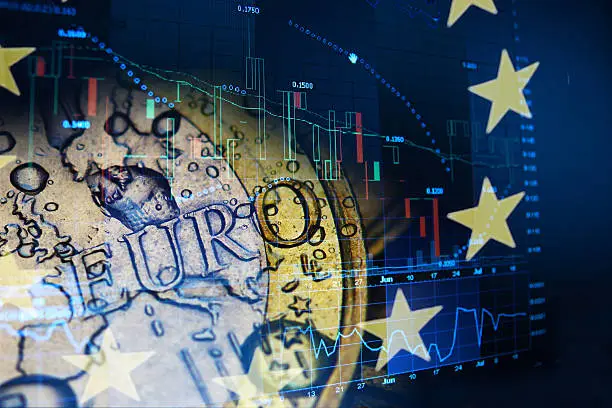
The Capital Markets Union (CMU) has returned to the center of Europe’s economic strategy as policymakers seek stronger financial integration across the region. In a recent discussion with a Finance Watch economist, key insights emerged about how the initiative could reshape Europe’s financial ecosystem.
- Why the Capital Markets Union Matters Now
- Finance Watch Emphasizes Financial Stability
- Expanding Funding Without Increasing Risk
- The Challenge of Regulatory Fragmentation
- Implications for Businesses and Investors
- Strengthening Europe’s Global Financial Position
- Technology and Transparency in Modern Financial Markets
- Key Takeaways for Policymakers and Business Leaders
- Preparing for an Evolving Financial Framework
The goal of the Capital Markets Union is to make it easier for businesses—particularly small and medium-sized enterprises—to access funding across EU borders. By strengthening capital markets, policymakers hope to reduce reliance on bank financing while creating a more resilient and competitive financial system.
At a time when global markets face economic uncertainty, the conversation around CMU highlights how financial regulation, investment policy, and market structure must evolve together.
Finance Watch Emphasizes Financial Stability
One of the main points raised in the discussion is that financial stability must remain a central priority.
Finance Watch argues that expanding capital markets should not come at the expense of systemic safeguards. Strong protections around transparency, investor rights, and risk management are essential to prevent instability within Europe’s financial system.
This perspective reflects lessons from past financial crises, where rapid market expansion without adequate oversight contributed to systemic vulnerabilities.
At the same time, modern regulatory frameworks increasingly rely on data-driven supervision and digital reporting tools, allowing regulators to monitor financial markets more effectively.
Expanding Funding Without Increasing Risk
Another key issue discussed in the interview is how to increase access to capital without amplifying financial risks.
Capital markets can provide important funding opportunities for businesses, particularly startups and growing companies that may struggle to secure traditional bank loans. However, if poorly structured, capital markets may also encourage speculative investment or short-term financial flows.
The Finance Watch perspective stresses that the CMU must strike a balance—supporting economic growth while maintaining prudent oversight and long-term stability.
This balance is especially important as European companies seek more diversified financing options to support innovation, sustainability, and global competitiveness.
The Challenge of Regulatory Fragmentation
One of the biggest barriers to an effective Capital Markets Union is regulatory fragmentation across EU member states.
Currently, different countries maintain varying legal frameworks, financial regulations, and compliance standards. These inconsistencies create obstacles for cross-border investment and limit the efficiency of European capital markets.
Harmonizing regulations across the EU would make it easier for investors to operate internationally and for companies to raise capital beyond their domestic markets.
Digital compliance technologies, cloud-based reporting systems, and automated regulatory tools are increasingly helping financial institutions and regulators manage these complexities.



Implications for Businesses and Investors
If implemented effectively, the Capital Markets Union could provide significant benefits for both businesses and investors.
Companies would gain greater access to long-term investment capital, enabling them to expand operations, develop new technologies, and support economic growth. Investors would benefit from a broader range of opportunities across European markets.
However, the discussion also emphasizes that capital markets should complement—not replace—traditional banking systems. A balanced financial structure where banks and capital markets work together is considered more resilient during periods of economic stress.
Strengthening Europe’s Global Financial Position
Another important theme in the discussion is Europe’s position within the global financial system.
Compared to the United States, Europe’s capital markets remain more fragmented and less developed. This fragmentation limits the region’s ability to compete globally for investment and financial influence.
A stronger and more integrated capital market system could help Europe attract international capital while supporting domestic innovation and economic development.
Clear regulatory frameworks and consistent policy signals are essential to building investor confidence and strengthening Europe’s global competitiveness.
Technology and Transparency in Modern Financial Markets
Technology is playing an increasingly important role in improving transparency and accountability within financial markets.
Real-time data systems, advanced analytics, and automated monitoring tools allow regulators and institutions to detect risks earlier and manage compliance more effectively.
These technologies also enhance transparency for investors by providing clearer information about financial products, risks, and market behavior.
Ensuring that these tools operate within strong governance frameworks remains critical to maintaining trust and preventing market abuse.
Key Takeaways for Policymakers and Business Leaders
The discussion with the Finance Watch economist highlights several important priorities for the future of the Capital Markets Union:
- Prioritizing financial stability alongside market expansion
- Harmonizing regulatory frameworks across EU member states
- Supporting access to funding for businesses while managing systemic risk
- Leveraging digital technologies to improve transparency and supervision
- Strengthening Europe’s competitiveness in global financial markets
For business leaders, understanding these developments is essential for preparing for a more integrated European financial landscape.
Preparing for an Evolving Financial Framework
The Capital Markets Union should not be viewed as a single reform but rather as an ongoing transformation of Europe’s financial architecture.
Organizations operating within European markets will need to stay informed about regulatory changes, technological developments, and new investment opportunities that emerge as integration progresses.
By combining strong governance, digital infrastructure, and cross-border collaboration, Europe can build a capital markets system that supports sustainable economic growth.
For deeper insights into financial regulation, technology trends, and global market developments, Ittrendswire provides analysis that helps leaders navigate the evolving economic landscape with greater clarity and confidence.