
Businesses today are operating in an environment where rapid decision-making and accurate forecasting have become critical for long-term success. This shift is one of the main reasons organizations across industries are increasingly investing in predictive analytics to improve planning, reduce uncertainty, and strengthen operational efficiency.
- How Predictive Analytics Improves Business Decision-Making
- Why Businesses Are Prioritizing Data-Driven Forecasting
- The Role of AI in Modern Predictive Analytics
- How Predictive Analytics Enhances Customer Experience
- Improving Operational Efficiency Through Predictive Intelligence
- Why Predictive Analytics Supports Competitive Advantage
- Preparing Businesses for an Intelligence-Driven Future
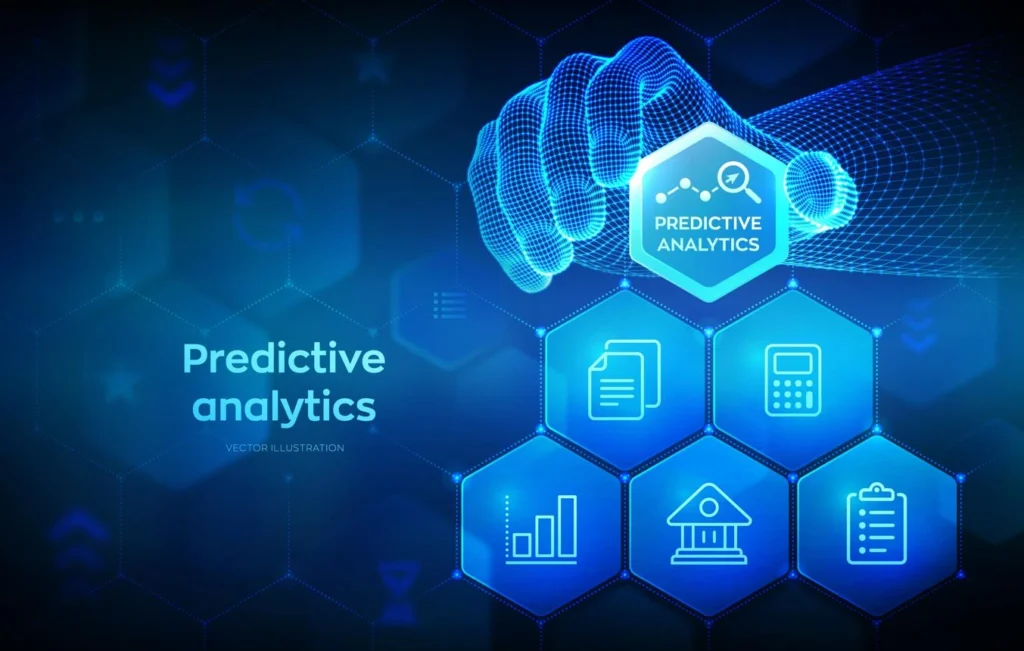
Predictive analytics combines historical data, artificial intelligence, and statistical modeling to identify patterns and forecast future outcomes. As competition grows and customer behavior evolves more quickly, companies are relying on advanced analytics to make smarter business decisions with greater confidence. Technology insights consistently show that organizations using predictive intelligence effectively are better prepared to adapt to changing market conditions.
How Predictive Analytics Improves Business Decision-Making
Traditional business decisions often depended heavily on past performance reports and manual forecasting methods. While these approaches still provide value, they can struggle to keep pace with modern market complexity and rapidly changing customer expectations.
Predictive analytics enhances decision-making by identifying hidden patterns within large datasets and generating forecasts based on real-time information. IT industry reports frequently highlight how businesses are using advanced analytics platforms to improve strategic planning and operational visibility. This allows organizations to anticipate opportunities and risks earlier while making more informed decisions.
Why Businesses Are Prioritizing Data-Driven Forecasting
Forecasting accuracy has become increasingly important as companies face economic uncertainty, shifting consumer behavior, and growing digital competition. Businesses that rely on predictive analytics can better estimate demand, optimize resources, and improve long-term planning.
Finance industry insights often emphasize the value of data-driven forecasting in reducing operational inefficiencies and improving profitability. Predictive systems help organizations allocate budgets more effectively while minimizing unnecessary risk. Businesses that make proactive decisions based on intelligent forecasting often gain stronger stability and competitive advantage.
The Role of AI in Modern Predictive Analytics
Artificial intelligence plays a major role in expanding the capabilities of predictive analytics systems. AI-powered tools can process massive amounts of information far more efficiently than traditional manual analysis methods.
Machine learning algorithms continuously improve forecasting accuracy by learning from new data and evolving patterns over time. Technology trend analysis regularly demonstrates how AI-driven analytics helps businesses improve customer targeting, supply chain management, and operational planning. Organizations using intelligent analytics systems can respond more quickly to changing market conditions and customer needs.
How Predictive Analytics Enhances Customer Experience
Modern customers expect businesses to understand their preferences and deliver personalized experiences. Predictive analytics helps organizations achieve this by analyzing customer behavior patterns and identifying future needs more accurately.
Marketing and customer engagement studies consistently show that personalization improves customer satisfaction and loyalty. Businesses use predictive insights to recommend products, optimize communication timing, and create more targeted experiences across digital platforms. This customer-focused approach strengthens engagement while improving conversion opportunities.
Improving Operational Efficiency Through Predictive Intelligence
Operational efficiency remains a major priority for businesses seeking sustainable growth. Predictive analytics supports this goal by helping organizations identify inefficiencies, optimize workflows, and reduce unnecessary costs.
Businesses can use predictive models to improve inventory management, workforce planning, maintenance scheduling, and financial forecasting. Human resources and operations research often highlight how intelligent forecasting improves resource allocation and long-term productivity. Companies that optimize operations through predictive insights are better positioned to scale efficiently.
Why Predictive Analytics Supports Competitive Advantage
In highly competitive industries, businesses that act faster and make smarter decisions often gain significant market advantages. Predictive analytics provides organizations with deeper visibility into emerging trends, customer behavior, and operational risks before competitors fully recognize them.
Technology and business strategy reports consistently show that companies investing in advanced analytics achieve stronger adaptability and innovation capacity. Organizations capable of anticipating change rather than reacting to it are more likely to maintain long-term growth and resilience in evolving markets.
Preparing Businesses for an Intelligence-Driven Future
The future of business strategy will increasingly depend on intelligent systems capable of processing data quickly and generating actionable insights. Predictive analytics is becoming a foundational part of digital transformation strategies across industries.
Businesses that continue investing in analytics capabilities, AI integration, and data-driven planning are positioning themselves for stronger operational agility and sustainable growth. Following technology insights and evolving business trends helps organizations identify where predictive intelligence can create the greatest value.
For expert guidance on predictive analytics, business intelligence strategy, and digital transformation solutions, connect with BusinessInfoPro. Our team provides insights that help businesses make smarter decisions and grow with greater confidence in a rapidly changing marketplace.