
Something strange has been happening across the internet recently.
- The Internet’s Traffic System Is Changing
- Users Want Answers Faster Than Ever
- SEO Is Becoming Less Predictable
- Smaller Publishers Feel the Pressure First
- Google Is Facing Its Own Problem Too
- The Internet Is Filling With AI Content
- Brand Trust Is Becoming More Important Than Rankings
- Search Is No Longer Just Search
- The Web Is Entering Another Major Transition
Website owners are watching traffic suddenly drop.
Publishers are reporting fewer clicks from search engines.
SEO professionals are rethinking strategies that worked for years.
And many users have started noticing the same thing without fully realizing it:
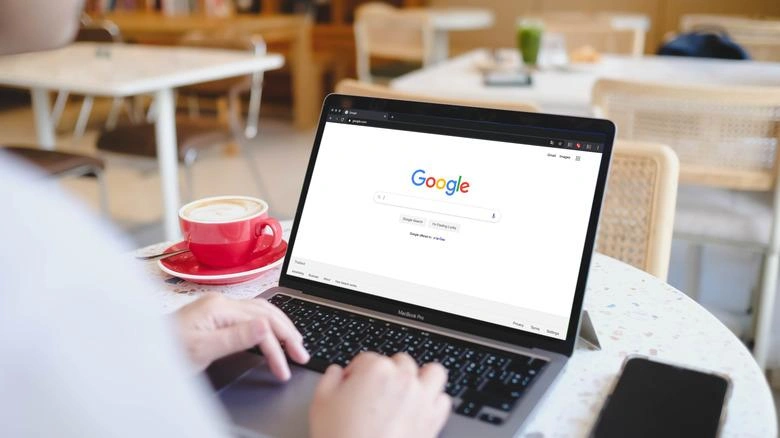
Google Search no longer behaves the way it used to.
The Internet’s Traffic System Is Changing
For decades, search engines worked like gateways.
Users searched for information, clicked links, and visited websites. Entire industries were built around this behavior. News companies, blogs, affiliate websites, SaaS businesses, and online stores all depended heavily on search traffic flowing from Google.
That system created the modern web economy.
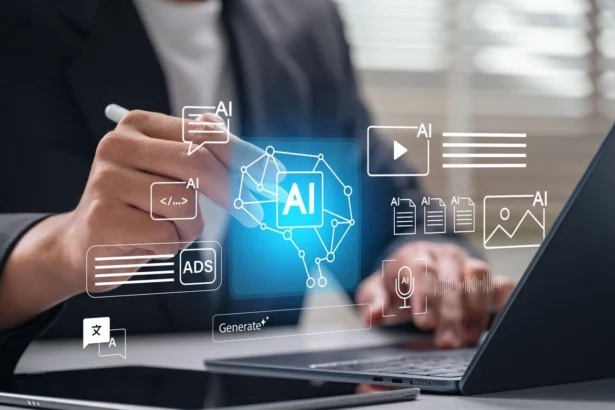
But AI is beginning to change it.
Instead of directing users outward, search engines increasingly try to answer questions directly inside search results themselves.
The shift sounds small.
In reality, it could reshape the economics of the internet.
Users Want Answers Faster Than Ever
Modern internet behavior is built around speed.
People no longer want to open ten tabs, compare articles, and spend twenty minutes researching simple questions. They want fast summaries, direct explanations, and immediate recommendations.
AI-generated responses fit that behavior perfectly.
Search platforms understand this clearly.
The problem is that when users get answers directly from search interfaces, fewer people visit the original websites that created the information in the first place.
And that creates anxiety across the publishing world.
SEO Is Becoming Less Predictable
For years, SEO followed relatively stable patterns.
Websites optimized keywords, built backlinks, improved technical performance, and competed for rankings. While algorithms changed constantly, businesses still understood the overall system.
Now things feel less predictable.
AI-driven search experiences are altering:
click behavior,
content visibility,
traffic distribution,
and user interaction patterns all at once.
Some websites still perform well.
Others lose visibility almost overnight.
This uncertainty is forcing businesses to rethink long-term digital strategies.
Smaller Publishers Feel the Pressure First
Large platforms usually survive technological shifts more easily because they already have strong brand recognition and direct audiences.
Smaller publishers face a tougher situation.
Many independent websites depend heavily on search traffic for:
advertising revenue,
affiliate income,
lead generation,
or audience growth.
If search engines send fewer visitors, entire business models become unstable.
This is why so many creators are now focusing on:
newsletters,
communities,
social platforms,
and direct audience relationships instead of relying entirely on search engines.
Google Is Facing Its Own Problem Too
What makes this situation interesting is that Google itself is under pressure.
AI changed user expectations extremely quickly.
People now expect conversational responses instead of traditional lists of blue links. That forced Google to adapt aggressively while still protecting its advertising business, which depends heavily on search behavior.
This creates a difficult balancing act.
If users stop clicking websites, publishers suffer.
If publishers suffer, the web ecosystem producing valuable information weakens over time.
Search engines depend on healthy content ecosystems to function effectively.
The Internet Is Filling With AI Content
At the same time, AI tools are flooding the web with enormous amounts of content.
Articles, product descriptions, summaries, social posts, and SEO pages can now be generated at massive scale.
This creates another problem:
content saturation.
The internet is becoming noisier, more repetitive, and harder to trust.
As a result, original reporting, expertise, and authentic perspectives are becoming increasingly valuable — even while AI-generated content becomes more common.
Brand Trust Is Becoming More Important Than Rankings
Many businesses are starting to realize something important:
strong brands survive algorithm changes better than anonymous websites.
People actively search for trusted sources they recognize.
They subscribe directly to creators they value.
They follow communities instead of depending only on search discovery.
This changes digital strategy completely.
Instead of focusing purely on rankings, businesses now think more about:
authority,
recognition,
audience loyalty,
and long-term trust.
The future internet may reward relationships more than raw traffic volume.
Search Is No Longer Just Search
Google Search used to function mainly as a discovery engine.
Now it is becoming something broader:
an AI-powered information interface.
That transition changes how information flows across the web itself.
And whenever information flow changes, entire industries eventually change with it.
The Web Is Entering Another Major Transition
The internet already survived multiple transformations:
desktop browsing,
mobile-first design,
social media dominance,
cloud computing,
and app ecosystems.
AI-powered search may become the next major shift.
Some businesses will adapt quickly.
Others will struggle.
Entire marketing strategies will evolve around new user behavior.
But one thing is becoming increasingly clear:
The websites winning in the future may not simply be the ones optimized best for search engines.
They may be the ones people intentionally seek out even when algorithms change completely.