

A decade ago, smartphone launches felt exciting.
- Smartphones Became “Good Enough”
- Companies Shifted From Breakthroughs to Refinement
- AI Became the New Marketing Strategy
- Foldable Phones Show the Industry’s Search for Something New
- The Real Innovation Moved Into Software Ecosystems
- Consumers Became More Financially Practical
- The Industry Quietly Depends on Emerging Markets
- Smartphones Became Infrastructure Instead of Excitement
- The Next Major Shift May Happen Beyond Phones
Every year brought noticeable changes:
better cameras,
larger screens,
faster performance,
new designs,
fingerprint sensors,
face unlock,
mobile payments,
and app ecosystems transforming daily life.
Consumers upgraded eagerly because each generation genuinely felt different from the last.
Today, the mood feels very different.
Most people can barely distinguish new flagship phones from models released two or even three years earlier.
And quietly, the smartphone industry entered a phase many technology companies tried to avoid for as long as possible:
maturity.
Smartphones Became “Good Enough”
One major reason innovation feels slower is because modern smartphones already solve most everyday needs extremely well.
Even mid-range devices now offer:
strong cameras,
fast processors,
high-quality displays,
long battery life,
and reliable app performance.
For average users, the difference between a premium phone from last year and a newly launched flagship often feels relatively small in daily use.
That changes consumer behavior dramatically.
People upgrade less frequently when improvements stop feeling essential.
Companies Shifted From Breakthroughs to Refinement
Early smartphone competition focused on revolutionary features.
Now most brands compete through incremental optimization:
slightly better cameras,
minor battery improvements,
AI photo processing,
thinner bezels,
or small performance increases.
The devices improved technically.
But emotionally, the excitement weakened.
Consumers started noticing that many launches feel more like polished iterations than transformative leaps.
And when industries mature, marketing often becomes harder than engineering itself.
AI Became the New Marketing Strategy
As hardware innovation slowed, companies searched for new narratives.
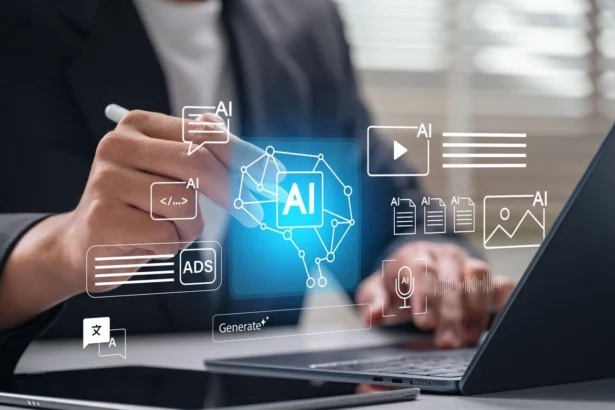
Artificial intelligence became the obvious direction.
Now nearly every smartphone launch emphasizes:
AI photography,
AI assistants,
AI summaries,
AI editing,
and intelligent personalization features.
Some improvements are genuinely useful.
But many consumers still struggle to identify which AI features meaningfully change daily life versus which simply sound futuristic during launch events.
The industry understands this challenge clearly:
hardware alone no longer creates enough excitement consistently.
Foldable Phones Show the Industry’s Search for Something New
Foldable devices reveal another important reality.
Smartphone companies know the traditional form factor is reaching saturation.
Foldables attempt to create:
new experiences,
new usage patterns,
and reasons for consumers to upgrade again.
The technology is impressive, but adoption remains relatively limited because:
prices stay high,
durability concerns exist,
and many users still prefer simpler devices.
The industry is experimenting because it understands incremental upgrades alone may not sustain long-term excitement forever.
The Real Innovation Moved Into Software Ecosystems
While hardware progress slowed, ecosystems became more important.
Today, companies compete heavily through:
cross-device integration,
cloud synchronization,
wearables,
subscription services,
AI assistants,
and ecosystem lock-in.
The phone itself is increasingly part of a larger digital environment rather than a standalone product.
This is why companies like Apple and Samsung invest heavily in:
smartwatches,
tablets,
cloud services,
audio devices,
and connected ecosystems.
Retention matters more once hardware innovation matures.
Consumers Became More Financially Practical
Economic conditions also changed buying behavior.
Modern flagship smartphones became extremely expensive.
At the same time, older devices last longer than before.
Many consumers now ask a simple question before upgrading:
“Do I actually need a new phone?”
That question barely existed during the rapid innovation years because new devices felt dramatically superior regularly.
Now replacement cycles are becoming longer globally.
The Industry Quietly Depends on Emerging Markets
Another important shift is geographic.
In many developed markets, smartphone penetration already reached saturation years ago.
Future growth increasingly depends on:
emerging economies,
mid-range devices,
and ecosystem expansion rather than premium flagship upgrades alone.
That changes strategic priorities for manufacturers significantly.
Smartphones Became Infrastructure Instead of Excitement
Perhaps the biggest change is psychological.
Smartphones stopped feeling futuristic.
They became infrastructure.
People depend on them constantly for:
banking,
navigation,
communication,
work,
shopping,
entertainment,
and identity verification.
But technologies often lose emotional excitement once they become deeply normalized.
Electricity once felt revolutionary too.
Now it feels invisible because society depends on it completely.
Smartphones reached a similar stage.
The Next Major Shift May Happen Beyond Phones
The industry now faces a difficult question:
what comes after the smartphone era?
AI assistants,
augmented reality,
wearables,
voice interfaces,
and ambient computing systems are all being explored aggressively.
Technology companies understand that the next dominant computing platform eventually arrives every generation.
The challenge is that nobody knows yet which technology users will adopt at smartphone scale.
And until that next shift appears clearly, the smartphone industry may continue refining an already mature product category instead of reinventing it completely.