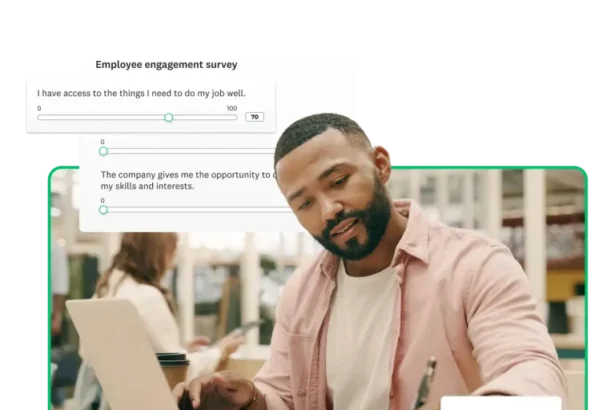


Employee wellbeing has become a defining priority for modern organizations. As workplaces evolve alongside rapid digital transformation and changing workforce expectations, Employee Assistance Programs (EAPs) have emerged as essential support systems.
- Why Inclusion Challenges Often Go Unnoticed
- The Impact of Workplace Culture on Accessibility
- Communication Barriers That Limit Participation
- The Connection Between Inclusion and Business Performance
- Technology and Data as Tools for Inclusive Design
- Leadership Responsibility in Closing the Gap
- Building Awareness Through Continuous Learning
- Practical Insights for Strengthening Inclusive Support Systems
Companies increasingly rely on these programs to strengthen mental health resources, improve engagement, and foster healthier work environments. Yet despite strong intentions, hidden inclusion gaps in EAPs continue to influence how effectively employees experience these services.
Organizations often assume that providing access automatically creates equity. However, accessibility does not always guarantee inclusion. While programs may appear comprehensive on paper, many employees still feel disconnected from the support designed for them.
Therefore, businesses must look beyond adoption metrics and examine how different employee groups actually interact with available resources.
Why Inclusion Challenges Often Go Unnoticed
Many leaders rely on utilization rates as the primary indicator of EAP success. Although these metrics offer useful data, they rarely reveal deeper barriers.
Cultural perceptions, communication styles, and trust levels all influence whether employees feel comfortable using wellbeing services. Hidden inclusion gaps in EAPs often arise when programs are designed based on generalized assumptions about employee needs.
For example, global teams may interpret mental health support differently depending on social norms. Similarly, frontline workers and remote employees may struggle to access services unintentionally designed for corporate office environments.
As HR trends and insights continue to highlight workforce diversity, organizations are recognizing that uniform solutions rarely serve diverse employee populations effectively.
Moreover, employees may hesitate to provide feedback on sensitive topics. As a result, leadership might assume programs are functioning well even when certain groups remain underserved.
The Impact of Workplace Culture on Accessibility
Workplace culture strongly influences whether assistance programs feel safe, relevant, and trustworthy.
Even well-funded initiatives may fail if employees fear stigma or confidentiality concerns. Hidden inclusion gaps in EAPs frequently appear in cultures where productivity pressures overshadow psychological safety.
Managers often shape this dynamic more than policies themselves. When leaders openly discuss wellbeing and normalize seeking support, engagement tends to increase.
Conversely, when conversations around stress remain unspoken, employees may perceive programs as symbolic rather than practical.
Additionally, technology insights reveal another accessibility challenge. Digital platforms have expanded EAP reach, yet not all employees possess equal digital confidence. Older workers or non-technical roles may feel excluded by systems that assume high technological familiarity.
Communication Barriers That Limit Participation
Communication strategy significantly influences whether employees understand available wellbeing resources.
Many organizations promote support programs through generic corporate announcements. While informative, these messages may fail to resonate emotionally.
Hidden inclusion gaps in EAPs often appear when communication overlooks:
- Language diversity
- Regional context
- Different literacy levels
- Varied work environments
Employees working across time zones or operational roles may never see announcements distributed primarily through internal portals.
Marketing trends analysis shows that personalization greatly improves engagement. Applying these principles internally can transform how employees perceive support programs.
Clear storytelling, relatable examples, and consistent reminders help increase awareness and participation.
The Connection Between Inclusion and Business Performance
Inclusive wellbeing programs influence far more than employee satisfaction. They also affect retention, productivity, and innovation capacity.
When employees feel supported, they collaborate more effectively and contribute ideas with greater confidence.
Finance industry updates increasingly highlight the measurable cost of disengagement. Absenteeism, burnout, and turnover create financial consequences that extend across the organization.
Addressing hidden inclusion gaps in EAPs therefore becomes a strategic investment rather than a compliance requirement.
Similarly, sales strategies and research indicate that employee wellbeing directly affects customer relationships. Teams receiving psychological support often demonstrate stronger communication skills and resilience during market challenges.
Inclusive support systems quietly strengthen performance across multiple business functions.
Technology and Data as Tools for Inclusive Design
Modern analytics now allow organizations to identify patterns that were previously invisible.
By analyzing participation trends across roles, demographics, and locations, leaders can detect where hidden inclusion gaps in EAPs may exist.
However, data alone cannot resolve inclusion challenges. Ethical interpretation and human-centered design remain essential.
Technology insights suggest that combining quantitative data with qualitative employee feedback creates a more accurate understanding of workforce needs.
Digital tools also enable more flexible access options, including:
- Virtual counseling services
- Multilingual support platforms
- Asynchronous assistance channels
These innovations expand program accessibility while accommodating diverse schedules and cultural preferences.
Leadership Responsibility in Closing the Gap
Leadership commitment determines whether inclusion initiatives lead to meaningful change.
Executives who treat wellbeing as a strategic priority encourage collaboration between HR, IT, and communication teams.
Recent IT industry news highlights organizations integrating wellbeing metrics into broader performance dashboards. This approach reinforces the idea that employee wellbeing is directly connected to business success.
Transparency also plays a key role. When leaders share program outcomes and openly discuss improvements, employees gain confidence that their feedback leads to real change.
Over time, this trust reduces hesitation and encourages broader participation.
Building Awareness Through Continuous Learning
Education remains one of the most effective ways to address overlooked barriers.
Employees sometimes avoid support simply because they misunderstand what EAP services provide. Workshops, storytelling campaigns, and peer advocacy initiatives can gradually reshape perceptions.
HR trends and insights show that learning-based approaches generate stronger engagement compared to one-time program launches.
Continuous communication helps organizations adapt as workforce expectations evolve.
Equally important is aligning wellbeing messaging with broader organizational values. When inclusion connects with company purpose and long-term vision, employees perceive authenticity rather than obligation.
Practical Insights for Strengthening Inclusive Support Systems
Organizations seeking improvement should begin by listening closely to employee experiences rather than relying solely on participation metrics.
Anonymous feedback channels often reveal perspectives that structured surveys miss. Additionally, reviewing communication methods ensures information reaches both digital and non-digital work environments.
Cross-functional collaboration can also strengthen outcomes:
- Marketing teams refine messaging clarity
- Finance leaders evaluate long-term cost benefits
- HR professionals align programs with evolving workforce needs
Combining technology insights with human empathy helps organizations create solutions that feel accessible to everyone.
Regular evaluation cycles are equally important. Inclusion is not a fixed achievement but an ongoing process shaped by changing workforce demographics, industry expectations, and social awareness.
Organizations that treat improvement as continuous learning are more likely to sustain meaningful engagement.
Ittrendswire delivers trusted perspectives that help organizations navigate evolving workplace challenges with confidence and clarity.
Connect with Ittrendswire today to explore deeper insights that strengthen strategy and support smarter business decisions.