


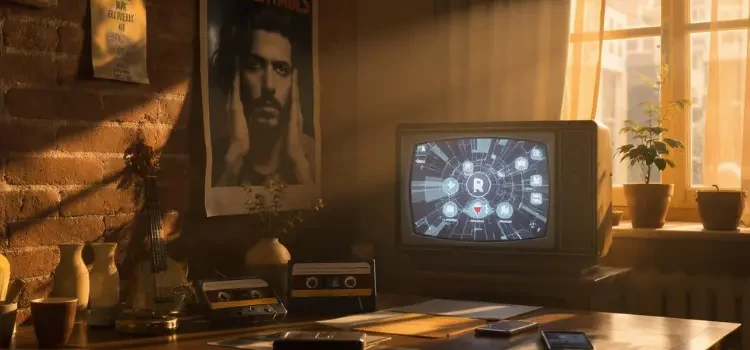
Why Nostalgia Has Become a Powerful Marketing Tool
In today’s fast-moving digital landscape, audiences are exposed to an overwhelming amount of information every day. Amid this constant flow of content, nostalgia-driven marketing has emerged as a powerful way for brands to reconnect with consumers on an emotional level.
- Why Nostalgia Has Become a Powerful Marketing Tool
- Why Nostalgia Resonates in the Digital Era
- Rebuilding Brand Trust Through Familiarity
- Storytelling Makes Nostalgia Effective
- Nostalgia Across Different Industries
- Balancing Nostalgia with Innovation
- Cultural Sensitivity and Authenticity
- Measuring the Impact of Nostalgia Campaigns
- Practical Strategies for Brands
Nostalgia taps into memories that feel comforting, familiar, and trustworthy. When a brand references shared cultural moments—such as music, design styles, childhood experiences, or iconic products—it instantly triggers emotional recognition. This emotional connection makes audiences more receptive to brand messaging.
Rather than relying solely on product promotion, nostalgia-driven campaigns build meaningful relationships between brands and consumers.
Why Nostalgia Resonates in the Digital Era
Even though digital technology continues to reshape how people communicate and consume content, human behavior remains deeply influenced by emotion.
Nostalgia offers a sense of stability during times of rapid change. As people navigate constant technological updates, economic uncertainty, and shifting cultural trends, familiar references from the past can feel reassuring.
Interestingly, nostalgia is not limited to older audiences. Younger generations often engage with retro aesthetics and cultural moments through social media, entertainment, and fashion trends. This allows brands to connect with multiple generations simultaneously, expanding the reach of nostalgic campaigns.
Rebuilding Brand Trust Through Familiarity
Trust is one of the most valuable assets a brand can build, yet it has become increasingly difficult to maintain in an era of automation, rapid innovation, and constant disruption.
Nostalgia-driven marketing helps reinforce trust by reminding audiences of a brand’s history and reliability. When companies revisit classic products, familiar design elements, or memorable campaigns, they signal stability and continuity.
During periods of economic uncertainty, consumers often gravitate toward brands that feel dependable. Nostalgic messaging can therefore play a key role in influencing purchasing decisions.
Storytelling Makes Nostalgia Effective
Successful nostalgia-driven marketing goes beyond simply reusing old visuals or slogans. The most effective campaigns use storytelling to connect past memories with present experiences.
Instead of replicating the past exactly, brands reinterpret familiar elements in ways that feel relevant today. A nostalgic campaign might highlight how a product evolved over time or show how past cultural moments still influence modern lifestyles.
Modern digital platforms allow these stories to reach audiences through:
- Social media storytelling
- Short-form video content
- Interactive experiences
- Community-driven campaigns
This blend of tradition and modern creativity helps nostalgia remain engaging rather than outdated.
Nostalgia Across Different Industries
Although nostalgia-driven marketing is often associated with consumer brands, its impact extends across many industries.
Companies in the technology sector frequently reference early innovations or iconic product launches to highlight their long-term influence. Similarly, service-oriented businesses often emphasize legacy, expertise, and decades of experience to build credibility.
Even internal communications can benefit from nostalgia. Organizations sometimes reference shared milestones, company history, or workplace traditions to strengthen employee engagement and organizational culture.
Balancing Nostalgia with Innovation
While nostalgia is powerful, it should never replace innovation. Consumers still expect brands to deliver modern experiences, advanced technology, and forward-thinking solutions.
The most successful campaigns strike a balance between emotional familiarity and contemporary relevance.
For example, brands might revive classic packaging designs while introducing new digital services, or revisit iconic advertising themes while updating the message for today’s audiences.
This combination allows companies to celebrate their heritage while demonstrating continued progress.
Cultural Sensitivity and Authenticity
Not all nostalgic references resonate equally with every audience. Cultural context plays an important role in determining whether a nostalgic message feels meaningful or out of place.
Brands must ensure that nostalgic themes are authentic and respectful of different cultural experiences. What evokes strong memories in one region may not have the same impact elsewhere.
Thoughtful research and audience understanding are essential to creating nostalgic campaigns that feel genuine rather than superficial.
Measuring the Impact of Nostalgia Campaigns
The success of nostalgia-driven marketing should be evaluated using more than short-term engagement metrics.
While likes, shares, and views indicate initial interest, deeper indicators reveal long-term brand impact. These may include:
- Brand recall and recognition
- Repeat customer behavior
- Positive sentiment in audience feedback
- Organic word-of-mouth promotion
Over time, nostalgic campaigns often strengthen emotional loyalty, making customers more likely to remain connected to the brand.
Practical Strategies for Brands
Brands interested in nostalgia-driven marketing can begin by identifying cultural moments that resonate with their audiences. These might include historic product launches, popular media influences, or shared generational experiences.
Key strategies include:
- Understanding the audience’s emotional connections
- Revisiting past campaigns with modern storytelling techniques
- Aligning nostalgic elements with the brand’s current identity
- Ensuring authenticity in every message
When these strategies are applied thoughtfully, nostalgia becomes more than a marketing tactic—it becomes a way to build lasting emotional relationships with audiences.
Organizations such as Ittrendswire continue to explore how evolving marketing strategies, emotional storytelling, and consumer behavior insights help brands create stronger and more meaningful connections with their audiences.