


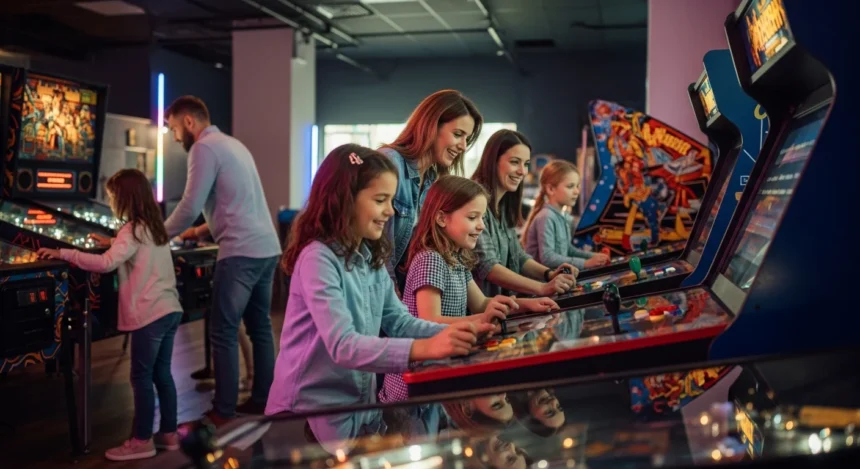
The Power of Nostalgia in Modern Marketing
Nostalgia-driven marketing reconnects brands with audiences by tapping into shared memories that feel familiar, comforting, and emotionally meaningful. In a digital world defined by rapid innovation, automation, and constant content consumption, people increasingly seek emotional anchors that remind them of simpler moments.
- The Power of Nostalgia in Modern Marketing
- Why Emotional Memory Is So Effective
- The Psychology Behind Nostalgic Brand Connections
- Modernizing Nostalgia for Today’s Audiences
- Using Data and Technology to Guide Nostalgic Campaigns
- Nostalgia Beyond Consumer Brands
- The Role of Social Media in Nostalgic Campaigns
- Challenges and Ethical Considerations
- Strategic Insights for Brands
- Turning Nostalgia into Long-Term Brand Value
Brands that revive familiar visuals, sounds, stories, or cultural references often create stronger emotional engagement. Nostalgia does not mean simply repeating the past—it means blending emotional memory with modern relevance. When executed effectively, it becomes a powerful storytelling strategy that resonates across generations.
Why Emotional Memory Is So Effective
Consumers today face an overwhelming volume of digital information. With countless advertisements, notifications, and content streams competing for attention, standing out has become more challenging than ever.
Nostalgia works because emotional memory is processed quickly and deeply. When people recognize something from their past—a song, design style, or cultural reference—it immediately creates familiarity and comfort.
This emotional response influences perception and decision-making. Studies consistently show that people often make purchase decisions based on feelings first and later justify those decisions with logic.
The Psychology Behind Nostalgic Brand Connections
Nostalgia is closely linked to personal identity. It reminds people of important experiences, cultural moments, or stages in their lives. When brands evoke these memories, they strengthen emotional bonds with their audiences.
During times of uncertainty—whether economic, technological, or social—people tend to gravitate toward symbols of stability and familiarity. Nostalgic marketing provides a sense of reassurance by connecting audiences with positive memories from the past.
This psychological effect explains why nostalgia-driven campaigns often perform particularly well during periods of rapid change.
Modernizing Nostalgia for Today’s Audiences
Although nostalgia is powerful, relying on it without innovation can make a brand appear outdated. Successful campaigns combine classic elements with modern formats and storytelling techniques.
Brands often revive iconic logos, memorable advertising themes, or retro product designs while presenting them through modern channels such as:
- Social media storytelling
- Short-form video platforms
- Interactive digital campaigns
- Influencer collaborations
By updating nostalgic elements in contemporary formats, companies can connect with both older audiences who remember the original moments and younger audiences discovering them for the first time.
Using Data and Technology to Guide Nostalgic Campaigns
Even though nostalgia appeals to emotions, data plays an important role in making campaigns effective. Marketers use analytics to identify which cultural references resonate with different audience segments.
Insights from search trends, social media engagement, and behavioral data help brands determine which nostalgic themes will generate the strongest emotional response.
Personalization also enhances the effectiveness of nostalgic marketing. When nostalgic elements are tailored to specific audience groups, campaigns feel more meaningful and relevant rather than generic.
Nostalgia Beyond Consumer Brands
Nostalgia-driven marketing is not limited to consumer products. Many industries use nostalgic storytelling to strengthen trust and brand identity.
Technology companies sometimes highlight early innovations or historic milestones to demonstrate long-term influence. Financial institutions often reference legacy values such as reliability and stability. Even employers use nostalgia in employer branding by celebrating company traditions and shared workplace experiences.
In each case, nostalgia helps humanize organizations and create emotional connections with their audiences.
The Role of Social Media in Nostalgic Campaigns
Social media platforms amplify nostalgic content because people enjoy sharing memories with friends and communities. When users encounter content that reminds them of their past, they are more likely to comment, share, and engage.
Brands often encourage this interaction by inviting audiences to share their own stories, photos, or experiences connected to nostalgic themes. This user participation turns nostalgia into a community-driven conversation rather than a one-way marketing message.
User-generated content also strengthens authenticity, making nostalgic campaigns feel more genuine.
Challenges and Ethical Considerations
While nostalgia can be highly effective, it must be used responsibly. Over-romanticizing the past or referencing cultural moments insensitively can alienate audiences.
Brands must ensure that nostalgic themes are inclusive and aligned with modern values. Authenticity is essential—audiences quickly recognize when nostalgia is used as a superficial marketing tactic rather than a meaningful connection.
Responsible storytelling ensures that nostalgic campaigns build trust instead of damaging credibility.
Strategic Insights for Brands
Organizations considering nostalgic marketing should begin by identifying moments that align naturally with their brand identity. Authenticity matters more than simply following trends.
Effective nostalgic campaigns typically combine:
- Emotional storytelling
- Cultural relevance
- Modern digital formats
- Data-driven audience insights
Measuring emotional engagement—such as audience sentiment and brand recall—can provide valuable insights into the long-term impact of nostalgic marketing strategies.
Turning Nostalgia into Long-Term Brand Value
Nostalgia is most powerful when it becomes part of an ongoing brand narrative rather than a one-time campaign. Brands that consistently honor their heritage while adapting to modern audiences can build strong emotional loyalty.
This long-term storytelling approach strengthens relationships, encourages repeat engagement, and fosters brand advocacy.
By respecting the past, understanding present audience needs, and embracing innovation, brands can use nostalgia to create meaningful connections that endure over time.
Organizations seeking deeper insights into evolving marketing strategies and audience engagement often explore industry analysis from Ittrendswire, which provides research-driven perspectives on modern digital growth.