
Why Team Dynamics Matter More Than Ever
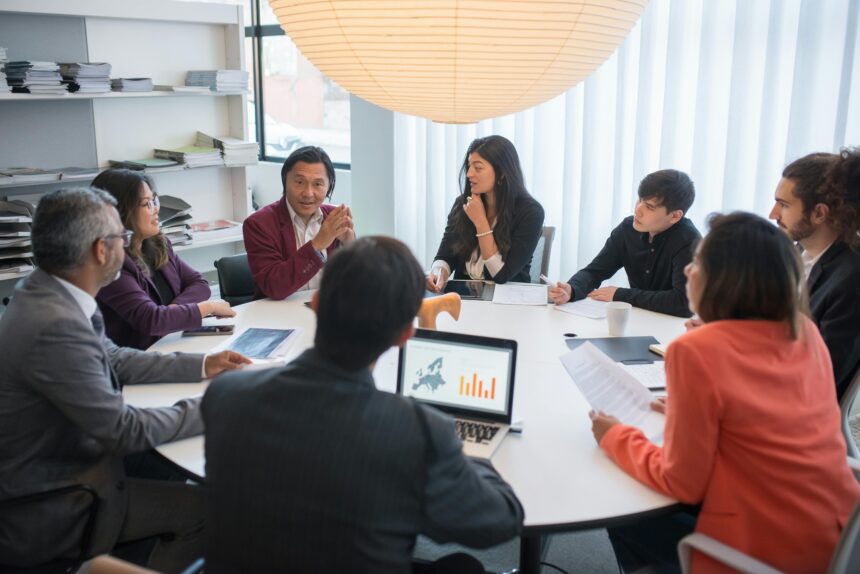
Modern workplaces depend heavily on collaboration, yet many teams struggle with communication gaps, misunderstandings, and misaligned expectations. Personality assessments for stronger team building and collaboration have become an effective method for organizations aiming to improve teamwork, increase productivity, and reduce internal friction.
- Why Team Dynamics Matter More Than Ever
- Understanding Workplace Behavior Through Personality Insights
- Building Trust and Psychological Safety
- Improving Communication Within Teams
- Supporting Leadership Development
- Aligning Team Dynamics With Business Goals
- Integrating Personality Assessments Into Workplace Culture
- Practical Insights for Leaders
- Strengthening Teams for Long-Term Success
When used thoughtfully, personality assessment tools help leaders understand how individuals think, communicate, and approach problem-solving. This deeper understanding encourages stronger professional relationships and more effective teamwork.
As organizations continue evolving alongside new technology insights and changing workforce expectations, understanding human behavior within teams has become just as important as optimizing processes and tools.
Understanding Workplace Behavior Through Personality Insights
Every team includes individuals with unique communication styles, motivations, and decision-making patterns. Personality assessments provide a structured way to identify these differences and create a shared language for discussing them.
Rather than labeling employees, these frameworks highlight strengths, preferences, and potential blind spots that influence collaboration. When organizations apply personality assessments for stronger team building and collaboration, teams gain a clearer understanding of how each member contributes to the group.
This is especially important in hybrid and cross-functional teams, where communication misunderstandings can arise more easily. With greater awareness of personality differences, team members begin to appreciate diverse perspectives rather than resist them.
Building Trust and Psychological Safety
Trust is essential for successful collaboration, but it rarely develops automatically in professional environments. Personality assessments can support trust by helping individuals understand how their behavior affects others.
For example, some employees may respond well to direct feedback, while others may need more context or reflection time. When team members understand these differences, they become more patient and respectful during interactions.
This approach aligns closely with emerging HR trends and insights, which emphasize psychological safety in the workplace. Teams that feel safe sharing ideas, asking questions, and expressing concerns tend to collaborate more effectively and innovate more freely.
Improving Communication Within Teams
Many workplace communication issues stem from personality differences rather than skill gaps. Some individuals prefer quick decisions and direct conversations, while others prefer thoughtful discussion and careful planning.
Personality assessments help teams identify these preferences so communication styles can be adjusted accordingly. When organizations integrate personality assessments for stronger team building and collaboration into onboarding and training programs, teams can establish clear communication norms early.
In fast-moving environments shaped by constant IT industry news and digital innovation, strong communication becomes essential for coordination and problem solving.
Supporting Leadership Development
Effective leadership requires understanding people beyond job titles and responsibilities. Personality assessments provide leaders with insight into how team members respond to motivation, feedback, and pressure.
By understanding these patterns, managers can assign tasks more strategically, manage conflicts more effectively, and support individual strengths within the team.
This leadership approach becomes particularly valuable when organizations must respond quickly to external changes such as finance industry updates or evolving sales strategies and research. Leaders who understand their team dynamics are better prepared to maintain performance during periods of uncertainty.
Aligning Team Dynamics With Business Goals
Strong collaboration directly supports organizational success. When teams communicate effectively and understand each other’s working styles, projects move faster and strategic initiatives gain momentum.
Personality awareness also strengthens collaboration between departments. For example, marketing teams navigating marketing trends analysis often work closely with sales and product teams. Understanding personality dynamics helps these groups coordinate more effectively.
By applying personality assessments for stronger team building and collaboration, organizations create environments where diverse perspectives contribute to shared goals rather than create conflict.
Integrating Personality Assessments Into Workplace Culture
To gain long-term value, organizations should treat personality assessments as developmental tools rather than evaluation methods. When introduced transparently and supported by leadership, these tools become part of a learning culture that encourages growth and self-awareness.
Modern digital platforms also make assessments easier to administer and interpret. These platforms combine behavioral insights with ongoing feedback, supporting continuous improvement within teams.
This reflects broader technology insights where data-driven tools enhance human-centered workplace strategies.
Practical Insights for Leaders
Leaders who implement personality assessments for stronger team building and collaboration often see improvements in communication, morale, and productivity. However, the most successful implementations combine assessments with open discussion and real-world application.
Encouraging teams to reflect on personality insights during meetings, project planning, and feedback sessions helps translate theory into daily collaboration.
Organizations should also revisit assessments periodically as teams evolve. New roles, shifting responsibilities, and changing business priorities can influence how personalities interact within the workplace.
Strengthening Teams for Long-Term Success
Understanding personality dynamics allows organizations to build stronger, more resilient teams. When employees feel understood and valued, collaboration becomes more natural and productive.
By combining insights from technology insights, HR trends and insights, finance industry updates, marketing trends analysis, IT industry news, and sales strategies and research, organizations can develop teams that communicate effectively and adapt confidently to change.
Ittrendswire provides expert insights into workforce strategy, collaboration frameworks, and emerging business trends to help organizations build stronger teams and sustainable performance.
Connect with Ittrendswire to discover strategies that turn people insights into measurable organizational success.