
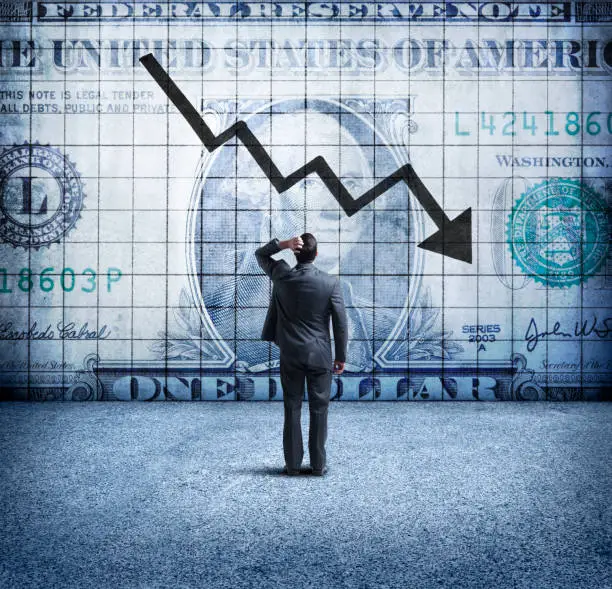
Concerns about whether the United States may be heading toward another financial crisis are increasingly being discussed among economists, policy analysts, and financial leaders. While the U.S. economy still shows signs of growth and resilience on the surface, several underlying pressures are raising alarms about long-term financial stability.
- Rising Debt and Growing Financial Pressure
- Interest Rates and the Risk of Credit Tightening
- Consumer Spending Under Increasing Strain
- Global Economic Risks and Spillover Effects
- Technology Cycles and Market Volatility
- Labor Market Signals and Workforce Uncertainty
- Corporate Caution and Slower Investment
- Financial Market Valuations and Risk Repricing
- Preparing for Economic Uncertainty
Rising debt levels, higher interest rates, weakening consumer financial buffers, and global economic uncertainty are all contributing to the debate. Understanding these structural pressures helps explain why some experts believe the U.S. economy could face significant financial turbulence in the coming years.
Rising Debt and Growing Financial Pressure
One of the most frequently cited concerns is the scale of both public and private debt.
The U.S. federal government has accumulated historically high debt levels, while households and corporations have also increased borrowing in recent years. Higher interest rates have made servicing this debt more expensive, putting pressure on government budgets, corporate profits, and household finances.
Corporate sectors that rely heavily on refinancing—particularly those with large debt loads—may face growing risk if borrowing costs remain elevated. Historically, periods of high leverage combined with rising interest rates have increased the likelihood of financial instability.
Interest Rates and the Risk of Credit Tightening
Central banks raised interest rates aggressively in recent years to combat inflation. While these actions helped stabilize prices, they also tightened financial conditions across the economy.
Higher interest rates reduce liquidity and make borrowing more expensive. Banks have become more cautious about lending, and credit availability has tightened for businesses and consumers alike.
Some regional banks have already experienced stress due to declines in asset values, particularly in sectors such as commercial real estate. If credit conditions tighten further, it could slow investment, hiring, and economic activity.
Consumer Spending Under Increasing Strain
Consumer spending has been a major driver of economic growth in the United States. However, much of this spending has increasingly relied on credit rather than income growth.
Savings accumulated during earlier economic stimulus periods are gradually declining, and delinquency rates on certain types of debt—such as credit cards and auto loans—have begun to rise.
Inflation has also reduced purchasing power for many households. When consumers shift spending toward essential goods and reduce discretionary purchases, businesses may experience slower revenue growth, which can eventually impact employment and investment.
Global Economic Risks and Spillover Effects
The United States is deeply integrated with global financial markets, which means external shocks can quickly affect domestic economic conditions.
Geopolitical tensions, supply chain disruptions, and economic instability in other regions can influence trade flows, capital investment, and market confidence.
Because financial markets are interconnected, economic stress in emerging markets or major trading partners can quickly transmit volatility into U.S. financial systems.
Technology Cycles and Market Volatility
Technological innovation is driving significant economic transformation, particularly in areas such as artificial intelligence, automation, and digital finance.
While these developments offer enormous productivity potential, rapid technological change can also create speculative investment cycles. When market expectations grow faster than actual earnings, asset prices can become inflated.
History shows that periods of intense innovation often coincide with market volatility, particularly when speculative investments combine with high levels of leverage.
Labor Market Signals and Workforce Uncertainty
Although unemployment remains relatively low, some underlying labor market signals suggest increasing caution among employers.
Hiring growth has slowed in certain sectors, and companies are becoming more selective about recruitment. Wage growth is also moderating compared with earlier periods of strong labor demand.
Technological adoption and restructuring within industries are creating uncertainty about long-term job stability, which can influence consumer confidence and spending behavior.
Corporate Caution and Slower Investment
Many corporate leaders are becoming more cautious about future economic conditions.
Businesses are delaying capital expenditures, tightening budgets, and focusing more heavily on operational efficiency. While these defensive strategies help companies protect profitability, they can also slow economic expansion.
Sales cycles are lengthening in many industries, and companies are prioritizing customer retention over aggressive expansion strategies.
Financial Market Valuations and Risk Repricing
Another concern relates to financial market valuations. Some asset classes are trading at levels that appear elevated relative to historical averages.
Market optimism about future growth—particularly in technology sectors—has driven strong investment activity. However, financial markets can reprice risk quickly if investor sentiment changes.
Sudden corrections in asset prices can have ripple effects across credit markets, corporate balance sheets, and consumer wealth.
Preparing for Economic Uncertainty
While it is impossible to predict the exact timing or severity of a financial crisis, understanding the warning signs allows individuals and organizations to prepare more effectively.
Businesses can strengthen resilience by managing debt carefully, maintaining healthy cash reserves, and focusing on operational efficiency. Diversifying revenue streams and staying informed about economic developments can also reduce risk.
For individuals, long-term financial planning, responsible borrowing, and maintaining savings buffers can provide stability during periods of economic uncertainty.



Organizations such as Ittrendswire continue to provide analysis and insights into emerging financial trends, helping leaders better understand economic risks and make informed decisions in an increasingly complex global economy.