
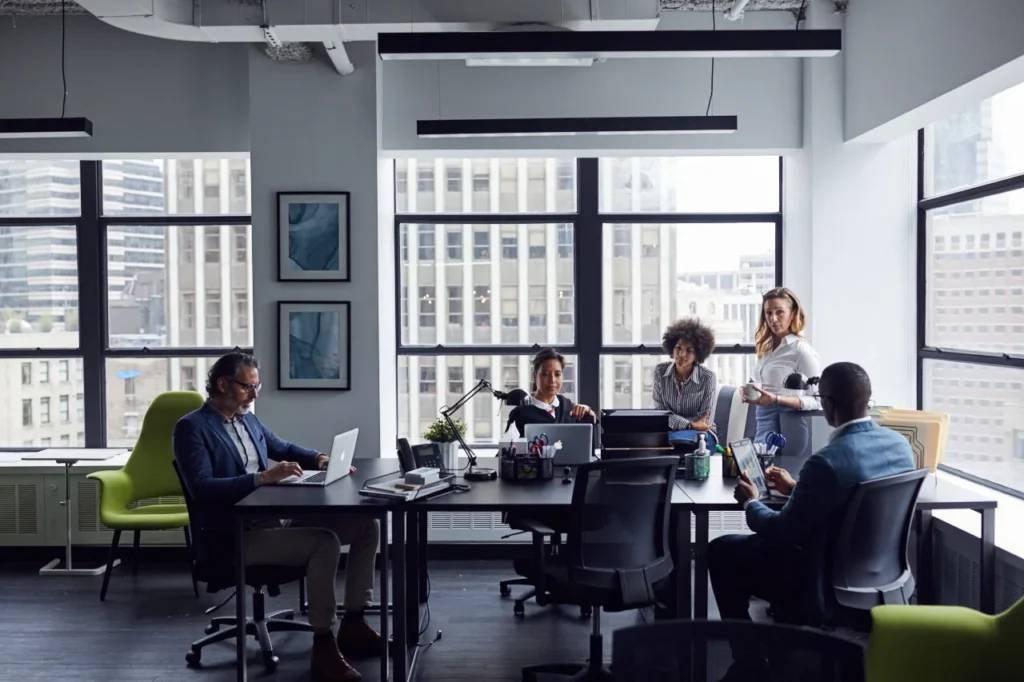
Organizations across the world are entering a period of rapid workplace evolution. The conversation around 2026 HR trends is no longer limited to hiring practices or employee engagement. Instead, businesses are redefining how work happens, where teams collaborate, and how leadership adapts to constant change.
- Technology-Driven Workforce Transformation
- Employee Experience Takes Center Stage
- Data-Led Decision Making in HR Strategy
- Skills-Based Hiring and Continuous Learning Culture
- Leadership Evolution and Organizational Agility
- The Rise of Hybrid Work as a Long-Term Strategy
- Workplace Culture and Purpose-Driven Organizations
- Practical Insights for Organizations Preparing for the Future
As companies respond to shifting employee expectations and digital acceleration, workplaces are becoming more flexible, data-driven, and human-centered.
At the same time, business leaders are aligning people strategies with broader technology insights and operational priorities. HR departments are now closely connected with innovation planning, workforce analytics, and long-term growth strategies. Consequently, HR professionals are evolving from administrative roles into strategic decision-makers who influence overall business direction.
Technology-Driven Workforce Transformation
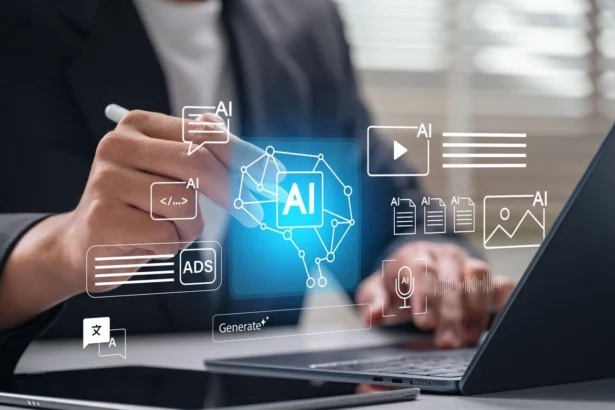
One of the most visible aspects of 2026 HR trends is the integration of intelligent technologies into everyday workflows.
Artificial intelligence, automation, and predictive analytics are transforming:
- Recruitment processes
- Performance evaluations
- Workforce planning
Rather than replacing employees, technology enables HR teams to focus more on creativity, culture development, and leadership growth.
Furthermore, organizations closely monitor IT industry news to understand how emerging platforms influence employee productivity. Digital collaboration tools improve communication across distributed teams, while advanced analytics allow managers to understand engagement patterns more clearly.
As a result, HR leaders gain better visibility into workforce behavior and performance outcomes.
This technological shift also promotes continuous learning. Employees are expected to upgrade their skills regularly, encouraging companies to invest more heavily in learning ecosystems and internal mobility programs.
Employee Experience Takes Center Stage
Another defining element of 2026 HR trends is the growing emphasis on employee experience.
Modern workers increasingly prioritize:
- Purpose-driven work
- Flexible schedules
- Well-being support
- Personalized career development
Businesses are therefore redesigning policies to support hybrid work environments, mental health initiatives, and individualized growth paths.
In addition, HR trends and insights reveal that employees respond positively when organizations communicate transparently and involve them in decision-making processes.
Because of this shift, leadership styles are becoming more collaborative, empathetic, and inclusive. Companies that build strong workplace cultures are experiencing higher retention rates and improved productivity.
Meanwhile, HR teams are using feedback platforms to gather real-time employee sentiment, allowing organizations to adapt policies quickly and stay aligned with workforce expectations.
Data-Led Decision Making in HR Strategy
Data analytics continues to reshape how HR departments operate. Within the landscape of 2026 HR trends, workforce intelligence plays a key role in predicting talent needs and identifying performance gaps.
Instead of relying solely on intuition, HR leaders now combine data insights with broader business metrics.
This analytical approach also connects HR planning with finance industry updates and organizational performance indicators. Workforce costs, productivity levels, and talent investments are evaluated alongside financial outcomes, strengthening collaboration between HR and finance teams.
Additionally, predictive analytics supports fair hiring practices and reduces bias in recruitment processes. By analyzing patterns objectively, organizations can build more equitable and effective workplaces.
Skills-Based Hiring and Continuous Learning Culture
Traditional job descriptions are gradually losing relevance. Many organizations adopting 2026 HR trends are shifting toward skills-based hiring models.
Employers now prioritize capabilities, adaptability, and learning potential rather than rigid qualifications.
Consequently, learning and development programs are evolving into continuous journeys rather than occasional training sessions. Employees are encouraged to build multidisciplinary skills that align with changing business needs.
This approach strengthens innovation, adaptability, and workforce resilience.
Moreover, businesses are integrating learning initiatives with sales strategies and research. Employees gain broader exposure to market trends, customer expectations, and operational challenges, allowing teams to collaborate more effectively across departments.
Leadership Evolution and Organizational Agility
Leadership expectations are changing significantly as workplaces become more dynamic.
One of the most important 2026 HR trends is the emergence of adaptive leadership models built on trust, transparency, and agility. Leaders must guide teams through uncertainty while maintaining clear direction and purpose.
Organizations are also adopting flatter structures that encourage faster decision-making and stronger collaboration.
Leaders increasingly rely on marketing trends analysis and cross-functional insights to align workforce initiatives with customer demands. This integration ensures that HR strategies directly support innovation and business growth.
Furthermore, agile leadership encourages experimentation. Companies that allow teams to test ideas quickly often uncover new opportunities for productivity and engagement.
The Rise of Hybrid Work as a Long-Term Strategy
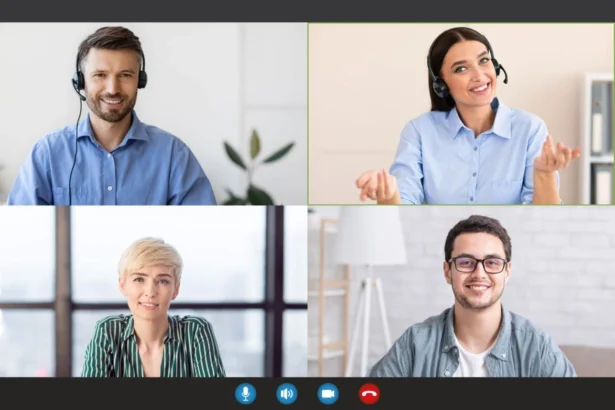
Hybrid work is no longer an experiment but a permanent feature of modern workplaces.
Within 2026 HR trends, flexibility has become a powerful competitive advantage. Employees expect greater autonomy over where and how they work, prompting organizations to redesign both office environments and digital infrastructure.
However, successful hybrid workplaces require thoughtful planning. HR teams must balance:
- Collaboration
- Accountability
- Organizational culture
Clear communication guidelines and performance frameworks help maintain alignment between remote and in-office teams.
Additionally, hybrid work expands access to global talent pools, allowing companies to recruit skilled professionals regardless of geographic location. This broader access strengthens diversity, innovation, and organizational resilience.
Workplace Culture and Purpose-Driven Organizations
Purpose-driven culture continues to shape workforce expectations.
Employees increasingly seek organizations whose values align with their own. As a result, 2026 HR trends emphasize authenticity, social responsibility, and ethical leadership.
Companies are embedding sustainability and social impact initiatives into workplace culture. These efforts strengthen employer branding while also improving employee loyalty.
When individuals feel connected to a meaningful mission, engagement and productivity naturally increase.
Furthermore, transparent communication helps build trust during periods of change. Organizations that openly share goals and progress create stronger emotional connections with employees.
Practical Insights for Organizations Preparing for the Future
Businesses preparing for evolving workplaces should focus on adaptability rather than rigid planning.
Investing in technology insights allows leaders to anticipate workforce needs while maintaining operational flexibility. At the same time, staying informed through IT industry news helps organizations align talent strategies with ongoing digital transformation.
HR leaders benefit from combining HR trends and insights with finance industry updates to ensure workforce investments deliver measurable outcomes.
Integrating people strategies with sales strategies and research strengthens collaboration across departments and improves long-term organizational performance.
Another important step involves continuous evaluation. Organizations that regularly analyze marketing trends analysis alongside employee data gain deeper understanding of how internal culture influences customer experience.
By connecting these insights, businesses can create workplaces that support innovation, engagement, and sustainable growth.
Ittrendswire helps organizations navigate workplace transformation with expert-driven research and strategic guidance.
Connect with Ittrendswire today to explore insights that empower smarter business decisions and future-ready leadership.