
Why Personality Assessments Matter in Modern Organizations
Personality assessments have become an important tool for organizations seeking to understand how individuals think, behave, and interact in professional environments. From hiring decisions to leadership development, these tools provide structured insights that help businesses make more informed people-related decisions.
- Why Personality Assessments Matter in Modern Organizations
- The Psychological Foundations of Personality Testing
- How Personality Traits Are Measured
- Technology’s Role in Modern Personality Assessments
- Why HR Teams Use Personality Assessments
- Applications Beyond Hiring
- Addressing Concerns About Accuracy and Bias
- Personality Assessments in the Modern Workplace
- Using Personality Insights Effectively
- Turning Personality Insights into Organizational Strength
Understanding the science behind personality assessments reveals why many companies rely on validated psychological frameworks rather than intuition alone. In fast-changing workplaces where teamwork, adaptability, and communication are critical, personality insights can help leaders build stronger and more balanced teams.
The Psychological Foundations of Personality Testing
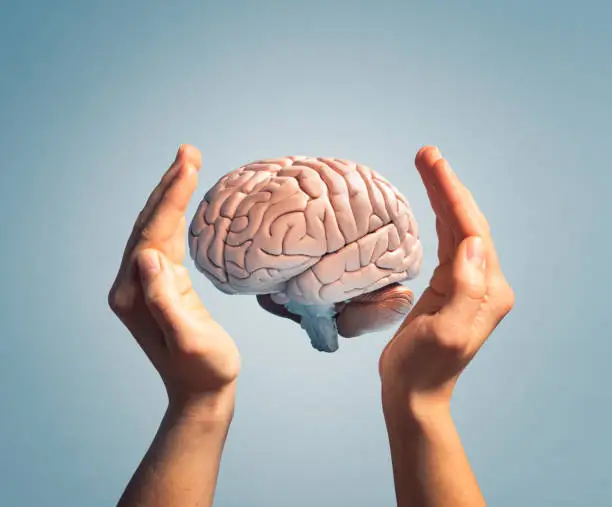
Personality assessments are grounded in decades of psychological research. Behavioral scientists have long studied patterns in how people think, feel, and act in different situations. Through extensive observation and research, they identified personality traits that tend to remain relatively stable over time.
Well-known psychological models such as the Big Five personality traits, for example, categorize personality into dimensions like openness, conscientiousness, extraversion, agreeableness, and emotional stability.
These frameworks allow researchers to develop assessment tools that measure personality characteristics systematically. Because the models are tested repeatedly across diverse populations, they provide reliable insights that organizations can use with confidence.
How Personality Traits Are Measured
Personality assessments typically use structured questionnaires designed to evaluate behavioral tendencies. Participants respond to statements about their preferences, attitudes, and reactions to various situations.
The responses are analyzed using statistical models that convert answers into measurable personality dimensions. This process transforms subjective responses into structured profiles that highlight patterns in behavior and decision-making styles.
Importantly, personality assessments do not assign rigid labels. Instead, they describe tendencies and preferences that may influence how individuals approach tasks, interact with others, and respond to challenges.
Technology’s Role in Modern Personality Assessments
Technology has significantly improved how personality assessments are administered and analyzed. Online platforms allow organizations to conduct assessments quickly and efficiently while maintaining accuracy and consistency.
Advanced analytics and machine learning tools can process large volumes of assessment data, enabling organizations to identify patterns across teams and departments.
Integration with human resource systems also allows companies to connect personality insights with other metrics such as performance evaluations, engagement surveys, and leadership development programs.
Why HR Teams Use Personality Assessments
Human resource professionals often use personality assessments to support better hiring and workforce development decisions.
During recruitment, assessments can help determine whether candidates are well-suited for specific roles or team environments. Beyond hiring, personality insights can assist with leadership training, team building, and employee development.
Organizations that use structured assessments often gain deeper insights into employee strengths, communication styles, and potential growth areas. This understanding can improve collaboration and reduce workplace conflict.
Applications Beyond Hiring
Although personality assessments are commonly associated with recruitment, their value extends far beyond the hiring process.
Businesses also use these tools for:
- Leadership coaching and development
- Conflict resolution and team alignment
- Succession planning and talent management
- Sales training and communication improvement
By understanding different personality styles, organizations can tailor communication strategies and management approaches that support stronger workplace relationships.
Addressing Concerns About Accuracy and Bias
Despite their benefits, personality assessments sometimes raise concerns about fairness and reliability. Well-designed assessments address these concerns through rigorous testing and validation processes.
Researchers evaluate assessment tools across diverse populations to ensure that questions and scoring systems do not unfairly favor any particular group. Ongoing research also helps refine assessment models to maintain accuracy over time.
Transparency in methodology and responsible use of assessment results are essential to maintaining trust and ethical standards.
Personality Assessments in the Modern Workplace
As work environments become more complex and distributed, understanding human behavior is becoming increasingly valuable.
Remote and hybrid teams often rely heavily on communication and collaboration skills. Personality assessments can help organizations understand how individuals prefer to work, communicate, and solve problems.
These insights help leaders design teams that complement each other’s strengths while minimizing potential friction.
Using Personality Insights Effectively
The most effective organizations treat personality assessments as guidance tools rather than final judgments. Assessment results should be combined with interviews, experience evaluations, and ongoing feedback.
When used thoughtfully, personality insights can help individuals develop self-awareness and improve their professional growth.
Organizations that encourage employees to understand their own personality profiles often foster stronger collaboration and more effective leadership development.
Turning Personality Insights into Organizational Strength
The science behind personality assessments offers valuable insights into human behavior, motivation, and communication styles. When applied responsibly, these tools can support better hiring decisions, stronger leadership, and more cohesive teams.
As workplaces continue to evolve, organizations that combine scientific people insights with thoughtful leadership practices will be better positioned to build cultures that support innovation and long-term success.
Companies seeking deeper insights into workforce strategies, organizational development, and leadership trends often rely on Ittrendswirefor research-driven analysis and practical guidance.