

The entertainment industry is undergoing one of the most significant transformations in its history. What was once dominated by television, cinema, and radio has now expanded into a dynamic, digital-first ecosystem where content is created, consumed, and shared in entirely new ways. In 2025, digital media is no longer just supporting entertainment—it is redefining it.
- The Rise of Social-First Entertainment Ecosystems
- AI-Driven Personalization Transforming Viewer Experience
- Immersive Experiences Through Virtual and Augmented Reality
- The Creator Economy as a Driving Force
- Streaming Platforms Adapting to Changing Audience Behavior
- The Convergence of Entertainment and Commerce
- Ethical Considerations and Data Privacy in Digital Media
- Cross-Platform Integration and the Future of Storytelling
- Conclusion
The rise of advanced technologies, social platforms, and data-driven personalization has fundamentally changed how audiences interact with content. Today, entertainment is not a one-way experience but a collaborative process where users actively participate, influence trends, and shape narratives. This shift is not only altering how content is delivered but also how it is created, monetized, and experienced across the globe.
The Rise of Social-First Entertainment Ecosystems
One of the most defining trends in modern entertainment is the shift toward social-first consumption. Platforms like TikTok, Instagram Reels, and YouTube Shorts have evolved far beyond their original purpose. They are no longer just communication tools—they have become powerful entertainment ecosystems that influence global culture.
These platforms are shaping what people watch, how trends emerge, and how stories are told. Unlike traditional media, where audiences were passive viewers, today’s users are active participants. They create content, engage with communities, and even influence brand narratives.
Short-form video has become a dominant format due to its accessibility and ability to capture attention quickly. At the same time, long-form content is evolving into more interactive formats, such as live streams, serialized storytelling, and community-driven discussions. This blend of formats creates a hybrid entertainment experience that is both engaging and immersive.
AI-Driven Personalization Transforming Viewer Experience
Artificial intelligence has become a central force in shaping how audiences consume digital media. Modern platforms use advanced algorithms to analyze user behavior, preferences, and engagement patterns, delivering content that feels highly personalized.
This level of personalization goes beyond simple recommendations. Platforms now curate entire experiences tailored to individual users. Every scroll, click, and interaction contributes to a continuously evolving content feed that aligns with the user’s interests.
For example, streaming platforms can recommend shows based on viewing history, while social platforms adjust content in real time to match user engagement. This creates a sense of relevance and connection, increasing both user satisfaction and platform retention.
Personalization has also transformed advertising. Brands can now deliver targeted messages that resonate with specific audiences, improving effectiveness and reducing irrelevant content exposure.
Immersive Experiences Through Virtual and Augmented Reality
The integration of Virtual Reality (VR) and Augmented Reality (AR) is redefining how audiences experience entertainment. What was once considered experimental technology has now become an essential part of the digital media landscape.
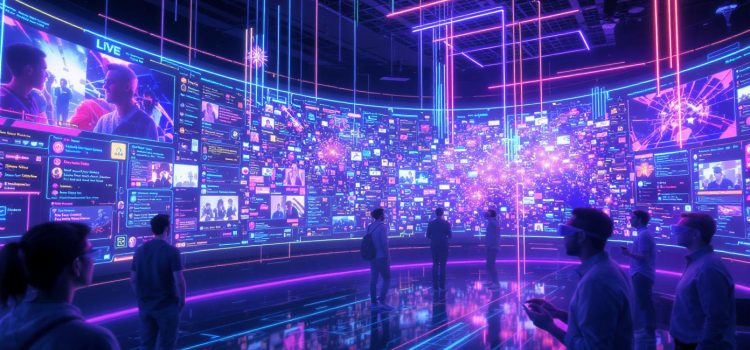
In 2025, immersive experiences are becoming more accessible and mainstream. Virtual concerts, interactive gaming environments, and digital meetups allow users to engage with content in ways that feel more real and participatory.
AR features, such as filters and 3D effects, are enhancing everyday interactions on social platforms. These tools allow users to become part of the content itself, blurring the line between creator and audience.
The expansion of virtual environments, often referred to as the metaverse, is further pushing the boundaries of entertainment. In these spaces, users can explore, interact, and experience content in fully immersive digital worlds, opening new possibilities for storytelling and engagement.
The Creator Economy as a Driving Force
Another major transformation in digital media is the rise of the creator economy. Independent creators are no longer limited by traditional media structures. With access to global platforms and monetization tools, they have become central to the entertainment ecosystem.
Creators today are entrepreneurs, building personal brands and engaging directly with their audiences. They produce content across multiple formats, from videos and podcasts to live streams and digital experiences.
This shift has decentralized the media industry. Instead of relying solely on large production companies, audiences now consume content from individuals who offer authenticity and relatability.
Monetization models are also evolving. Beyond advertising, creators can generate income through subscriptions, exclusive content, digital products, and community support. This allows them to build sustainable careers while maintaining creative independence.
Streaming Platforms Adapting to Changing Audience Behavior
Streaming services remain a dominant force in entertainment, but they are also evolving to meet changing consumer expectations. Subscription fatigue has led platforms to experiment with new models that offer greater flexibility.
Companies like Netflix and Amazon Prime Video are introducing hybrid models that combine subscription-based access with ad-supported options. This allows users to choose how they consume content based on their preferences.
Streaming platforms are also becoming more interactive. Features such as live chats, audience voting, and shared viewing experiences are transforming passive watching into a more social activity.
In addition, there is a growing focus on niche content and regional storytelling. By catering to specific audiences, platforms can differentiate themselves and build stronger connections with viewers.
The Convergence of Entertainment and Commerce
One of the most exciting developments in digital media is the integration of commerce into entertainment. Social platforms are increasingly enabling users to discover and purchase products directly within content.
This trend, often referred to as social commerce, is changing how brands interact with consumers. Instead of traditional advertisements, brands are using storytelling to create engaging experiences that naturally lead to purchasing decisions.
Live shopping events, influencer collaborations, and AI-driven recommendations are making the buying process more interactive and seamless. This convergence of entertainment and commerce creates new opportunities for businesses to connect with their audiences in meaningful ways.
Ethical Considerations and Data Privacy in Digital Media
As digital media becomes more personalized and data-driven, concerns around privacy and ethics are becoming more prominent. Consumers are increasingly aware of how their data is used and expect transparency from platforms and brands.
Companies must balance innovation with responsibility. This includes implementing strong data protection measures, ensuring transparency in AI-driven content, and maintaining ethical standards in content creation.
Building trust is essential for long-term success. Organizations that prioritize ethical practices will not only protect their reputation but also strengthen their relationship with audiences.
Cross-Platform Integration and the Future of Storytelling
The future of digital media lies in integration. Content is no longer confined to a single platform. Instead, it flows seamlessly across multiple channels, creating a connected and immersive experience.
A story might begin on one platform, continue on another, and evolve into an interactive experience in a virtual environment. This cross-platform approach allows for deeper engagement and more dynamic storytelling.
Collaboration between creators, brands, and platforms is also increasing. By working together, they can create experiences that are richer, more diverse, and more impactful.
Conclusion
Digital media trends in 2025 are not just reshaping entertainment—they are redefining it entirely. The combination of social platforms, artificial intelligence, immersive technologies, and creator-driven ecosystems is creating a new era of entertainment that is more interactive, personalized, and inclusive.
As audiences continue to evolve, so must the strategies of businesses and creators. Success in this new landscape requires a balance between innovation and authenticity, technology and creativity, data and human connection.
The future of entertainment is no longer about passive consumption. It is about participation, personalization, and shared experiences. Organizations that embrace these changes will not only stay relevant but also lead the next wave of global entertainment transformation.