
For over a century, filmmaking has been shaped by constraints.
- From Creation to Generation: A New Creative Starting Point
- Storytelling Is Becoming a Dialogue, Not a Solo Act
- Production Is Shifting from Execution to Simulation
- The Actor’s Role Is Expanding Beyond the Physical
- Post-Production Is Becoming a Creative Playground
- Audiences Are Moving from Passive Viewing to Dynamic Experience
- The Industry Is Redefining Its Economics
- The Tension Between Innovation and Authenticity
- What the Future of Film and Television Really Looks Like
- Conclusion
Budgets limited imagination.
Technology defined what could be shown.
Time dictated how stories were produced.
Every major breakthrough—from sound to CGI to streaming—removed one layer of limitation.
Now, a new force is doing something more radical.
Generative AI is not just removing constraints—it is reshaping how stories are conceived, created, and experienced.
This is not just another upgrade in tools.
It’s a shift in the language of storytelling itself.
From Creation to Generation: A New Creative Starting Point
Traditionally, filmmaking began with an idea—and then a long process of translating that idea into reality.
Now, creators can begin closer to the outcome.
Entire scenes can be visualized instantly. Worlds can be generated before they are built. Concepts that once required months of effort can be explored in minutes.
This doesn’t replace creativity—it accelerates it.
The creative process is no longer linear.
It becomes iterative, experimental, and far more fluid.
Storytelling Is Becoming a Dialogue, Not a Solo Act
Writers have always worked with imagination, experience, and structure.
Now, they are also working with systems that can:
- Suggest narrative directions
- Analyze pacing and tone
- Offer alternative story paths
This creates a new kind of collaboration.
The writer is no longer working alone—but neither are they being replaced. Instead, storytelling becomes a dialogue between human intuition and machine-generated possibility.
The result is not less creativity—but expanded perspective.
Production Is Shifting from Execution to Simulation
One of the most expensive parts of filmmaking has always been uncertainty.
Will the scene look right?
Will the lighting work?
Will the environment feel real?
Generative systems allow filmmakers to simulate outcomes before execution.
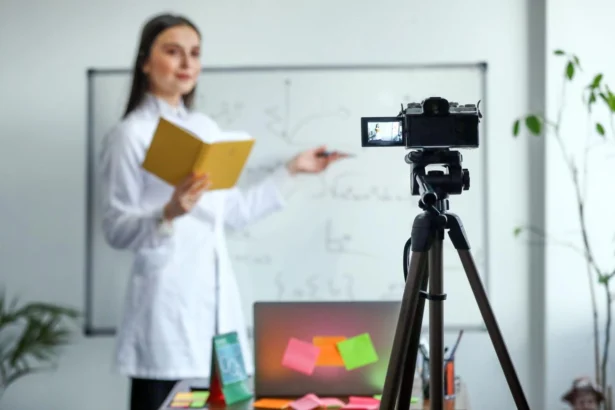
Directors can explore multiple visual approaches instantly. Cinematographers can test compositions without setting up physical equipment. Entire environments can be designed and refined digitally.
Production becomes less about trial and error—and more about informed decisions.
The Actor’s Role Is Expanding Beyond the Physical
Performance has always been the emotional core of cinema.
That hasn’t changed—but its boundaries are evolving.
With AI-assisted tools, performances can now:
- Extend across different languages
- Adapt to multiple formats
- Be enhanced or reinterpreted digitally
Actors are no longer limited to a single captured moment. Their performances can evolve alongside the story.
This opens creative possibilities—but also raises important questions about ownership, identity, and authenticity.
Post-Production Is Becoming a Creative Playground
Editing, visual effects, and sound design have traditionally been technical stages.
Now, they are becoming creative accelerators.
Tasks that once required specialized teams—background generation, visual enhancements, scene adjustments—can be handled faster and more flexibly.
This allows creators to experiment more freely.
Post-production is no longer just about refining a story.
It becomes a space where new ideas can emerge.
Audiences Are Moving from Passive Viewing to Dynamic Experience
The impact of generative systems is not limited to creators—it extends to audiences.
Viewers are beginning to experience content that adapts:
- Recommendations that feel highly personal
- Interactive storytelling elements
- Content variations based on preferences
Entertainment is becoming more responsive.
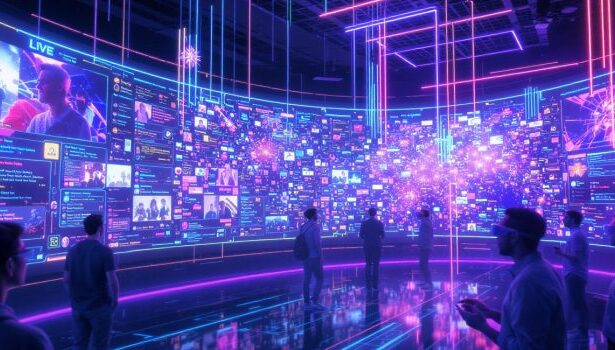
The relationship between story and audience is no longer one-directional. It becomes interactive, adaptive, and more engaging.
The Industry Is Redefining Its Economics
Behind the creative transformation lies a business shift.
Production costs can decrease.
Timelines can shorten.
Smaller teams can create larger-scale content.
This changes who gets to participate.
Independent creators gain access to capabilities once reserved for major studios. At the same time, studios rethink how they allocate budgets, manage talent, and scale production.
The balance of power in the industry begins to shift.
The Tension Between Innovation and Authenticity
With every technological leap comes a question:
What happens to authenticity?
When content can be generated, enhanced, or modified at scale, the definition of originality becomes more complex.
Audiences may begin to ask:
- What is real?
- What is created?
- What is human?
This tension will shape how generative tools are used—and how they are accepted.
What the Future of Film and Television Really Looks Like
The future is not about replacing filmmakers.
It’s about redefining their role.
Creators will:
- Spend less time on execution
- Spend more time on vision
- Work with systems that expand their capabilities
The tools will change.
The storytelling will evolve.
But the need for human perspective will remain.
Conclusion
The rise of generative AI marks a turning point in entertainment.
Not because it automates creation—but because it transforms how creation happens.
Film and television are moving into an era where imagination is less constrained, production is more flexible, and storytelling is more dynamic.
The question is no longer what technology can do for storytelling—
It’s how storytelling will evolve because of it.