


Understanding the Psychology Behind Everyday Spending
The way people spend money is rarely based on pure logic. Emotions, habits, and social influence often shape financial decisions long before numbers are considered. Understanding the psychology of spending is essential for building budgeting systems that actually work in everyday life.
- Understanding the Psychology Behind Everyday Spending
- Why Fibonacci Thinking Fits Human Financial Behavior
- Applying Fibonacci Principles to Budgeting
- Managing Emotions in Financial Decisions
- The Importance of Awareness in Spending Habits
- Technology’s Influence on Modern Spending
- Building Financial Resilience Through Gradual Growth
- Practical Tips for Applying Fibonacci Budgeting
- Building Smarter Financial Habits
- Stay Informed With Expert Insights
Many purchases feel justified in the moment because the brain seeks instant reward and satisfaction. Small impulse decisions—like buying coffee, subscriptions, or online deals—may seem harmless individually, but over time they gradually reduce financial stability.
Modern life also intensifies these triggers. Constant exposure to promotions, limited-time offers, and aspirational lifestyles online makes spending easier and more reactive. Insights from technology insights show that digital platforms and marketing strategies often encourage quick purchasing decisions rather than thoughtful planning.
Recognizing these psychological patterns is the first step toward maintaining control over personal budgets.
Why Fibonacci Thinking Fits Human Financial Behavior
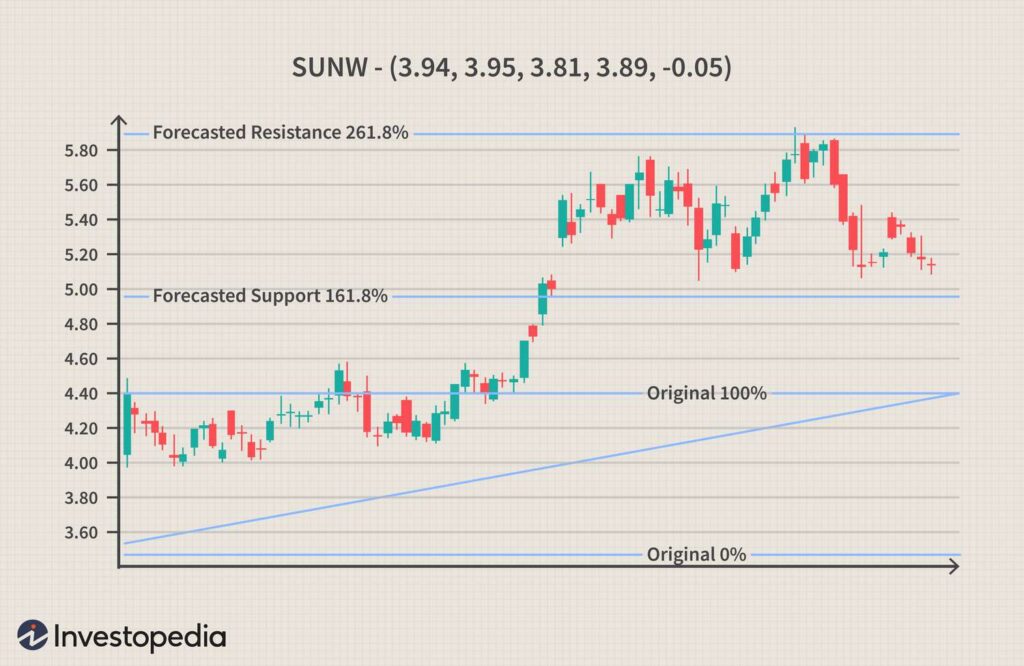
The Fibonacci sequence is known for representing natural patterns of growth and balance. When applied to financial planning, Fibonacci thinking promotes gradual improvement rather than drastic lifestyle changes.
The concept behind psychology of spending Fibonacci tips to keep budgets on track is simple: people adapt more successfully to small, progressive changes than to strict financial restrictions.
Instead of aggressively cutting expenses, Fibonacci-based budgeting encourages proportional adjustments that grow naturally over time.
For example:
- When income increases, savings grow gradually rather than suddenly.
- When expenses need to decrease, adjustments happen step-by-step rather than through severe limitations.
This balanced rhythm reduces emotional resistance and makes budgeting feel more sustainable.
Applying Fibonacci Principles to Budgeting
Using Fibonacci thinking in personal budgeting focuses on consistency rather than perfection.
People are more likely to follow financial plans that evolve naturally with their lifestyle. The Fibonacci approach encourages steady progress through manageable changes.
Examples of practical application include:
- Gradually increasing savings contributions as income grows
- Adjusting spending categories proportionally rather than eliminating them entirely
- Creating progressive financial goals that build confidence over time
This approach aligns with insights often discussed in finance industry updates, where long-term financial wellness is increasingly prioritized over short-term gains.
Budgets that evolve organically tend to adapt better to life changes such as career shifts, family needs, or economic fluctuations.
Managing Emotions in Financial Decisions
Emotions strongly influence how people handle money.
Common emotional triggers include:
- Excitement, which may lead to impulse spending
- Fear, which can cause excessive saving or hesitation
- Social pressure, which encourages lifestyle upgrades
The Fibonacci mindset helps introduce emotional balance by emphasizing gradual financial progress.
The idea behind psychology of spending Fibonacci tips to keep budgets on track is that structured pacing allows individuals to pause before making reactive financial choices. Over time, this pause becomes a habit that supports smarter decisions.
This principle also aligns with modern HR trends and insights, where companies increasingly recognize that financial stress can affect employee productivity and well-being.
The Importance of Awareness in Spending Habits
Financial awareness transforms spending from automatic behavior into intentional decision-making.
When individuals understand why they spend, they gain greater control over how they spend.
The psychology of spending encourages individuals to view financial decisions as part of an ongoing pattern rather than isolated events.
This perspective also connects with marketing trends analysis and sales strategies and research, where understanding consumer psychology helps businesses design better customer experiences.
Similarly, individuals who understand their own spending behavior can create budgets that reflect their real priorities.
Technology’s Influence on Modern Spending
Technology has dramatically changed how money moves.
Digital wallets, one-click purchases, and subscription services make spending faster and easier than ever before. While convenient, these systems can also reduce awareness of how money is being used.
The Fibonacci budgeting approach counters this by reintroducing intentional pacing into financial decisions.
At the same time, technology can support better financial management. Many budgeting apps and financial dashboards help users track spending patterns and visualize savings growth.
Insights from technology insights show that digital tools can significantly improve financial awareness when used thoughtfully.
Building Financial Resilience Through Gradual Growth
Financial stability rarely develops overnight. It grows through consistent habits that withstand challenges over time.
The Fibonacci approach supports resilience by avoiding extreme financial restrictions that are difficult to maintain.
Instead, gradual progress builds confidence and flexibility.
This principle mirrors patterns seen in IT industry news, where adaptive and flexible systems often outperform rigid structures. Just as technology platforms evolve to respond to change, flexible budgets allow individuals to adapt to unexpected financial events.
Over time, this adaptability strengthens long-term financial security.
Practical Tips for Applying Fibonacci Budgeting
To apply the psychology of spending with Fibonacci principles, individuals can follow several practical steps:
- Observe current spending habits without judgment.
- Identify small areas where gradual adjustments can be made.
- Increase savings proportionally as income grows.
- Reduce unnecessary expenses step by step rather than all at once.
- Review progress regularly to maintain awareness and motivation.
When budgeting feels natural instead of restrictive, consistency becomes easier to maintain.
Building Smarter Financial Habits
The psychology of spending Fibonacci tips to keep budgets on track emphasizes balance, patience, and awareness.
Rather than relying on strict financial rules, this approach encourages sustainable habits that evolve with changing life circumstances.
By combining behavioral awareness with gradual financial growth, individuals can transform budgeting into a supportive system that strengthens long-term financial confidence.
Stay Informed With Expert Insights
Ittrendswire provides expert perspectives on technology insights, finance industry updates, HR trends and insights, marketing trends analysis, and sales strategies and research.
Connect with Ittrendswire to explore practical strategies that support smarter financial decisions and long-term financial stability.