
A few years ago, most businesses believed productivity depended heavily on meetings. Teams filled calendars with status calls, update sessions, brainstorming discussions, and long review meetings that often consumed large parts of the workday. Today, many organizations are beginning to question whether constant meetings actually improve efficiency or simply create more distractions.
- The Growing Problem of Meeting Fatigue
- Why Smarter Collaboration Tools Are Replacing Traditional Workflows
- How Hybrid Work Changed Communication Expectations
- Why Employees Prefer Flexible Communication Models
- The Role of AI and Automation in Team Collaboration
- Why This Shift Is Reshaping Workplace Culture
- The Future of Workplace Collaboration
This shift is pushing companies toward smarter collaboration systems designed to reduce unnecessary meetings while improving communication quality. Businesses are now investing in digital collaboration platforms, asynchronous workflows, shared project environments, and real-time communication tools that allow employees to work faster without being trapped in back-to-back calls.
Technology leaders increasingly recognize that modern productivity is not about spending more hours in discussions. It is about creating systems where information moves quickly, teams stay aligned, and employees have enough uninterrupted time to focus on meaningful work.
The Growing Problem of Meeting Fatigue
Employees across industries are experiencing what many companies now describe as “meeting fatigue.” Daily schedules packed with virtual calls and recurring discussions leave very little time for deep concentration or strategic thinking.
Remote and hybrid work models accelerated this problem because communication became heavily dependent on video meetings. Instead of improving collaboration, excessive meetings often created slower decision-making and reduced productivity. Businesses began noticing that employees spent more time discussing work than actually completing it.
Workplace productivity studies continue showing that long periods of uninterrupted focus are essential for creative problem-solving and efficient execution. Companies are now restructuring communication habits to protect employee focus while maintaining strong collaboration.
Why Smarter Collaboration Tools Are Replacing Traditional Workflows
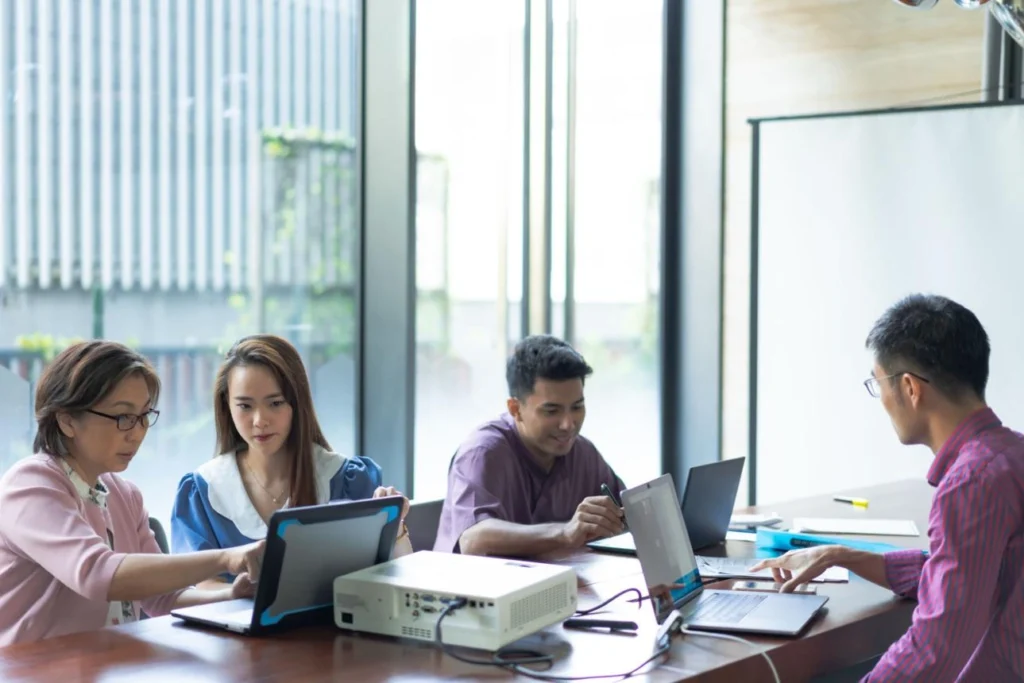
Modern collaboration platforms are changing how teams share updates, manage projects, and communicate across departments. Instead of requiring meetings for every small discussion, employees can now collaborate through shared dashboards, task management systems, internal messaging platforms, and cloud-based workspaces.
These tools allow information to remain organized and accessible without depending entirely on live conversations. Teams can review updates, leave feedback, assign tasks, and track progress asynchronously, making workflows far more flexible.
Technology industry trends consistently show that businesses adopting smarter collaboration systems often experience faster project completion and better operational efficiency. Employees gain more control over how they manage their time, which helps reduce stress and improve work quality.
How Hybrid Work Changed Communication Expectations
The rise of hybrid work fundamentally changed how organizations think about communication. Businesses no longer operate entirely inside physical office environments where spontaneous conversations happen naturally throughout the day.
As distributed teams became more common, companies realized they needed communication systems that supported flexibility without creating communication overload. Collaboration tools filled this gap by allowing employees to stay connected without requiring constant live interaction.
Modern workplaces are now prioritizing communication methods that balance accessibility with productivity. Teams can stay informed while still having uninterrupted time for focused work, which is becoming increasingly valuable in fast-moving digital industries.
Why Employees Prefer Flexible Communication Models
One reason smarter collaboration systems are growing so quickly is because employees increasingly prefer flexible communication environments. Constant meetings often create pressure, reduce autonomy, and interrupt productive workflows.
Flexible collaboration allows employees to process information, respond thoughtfully, and manage tasks at a pace that supports better concentration. This approach is especially valuable for technical teams, creative professionals, and remote employees who depend heavily on uninterrupted work sessions.
Human resources insights regularly show that employees perform better when organizations respect time management and reduce unnecessary interruptions. Businesses that improve communication efficiency often see stronger morale and better employee retention.
The Role of AI and Automation in Team Collaboration
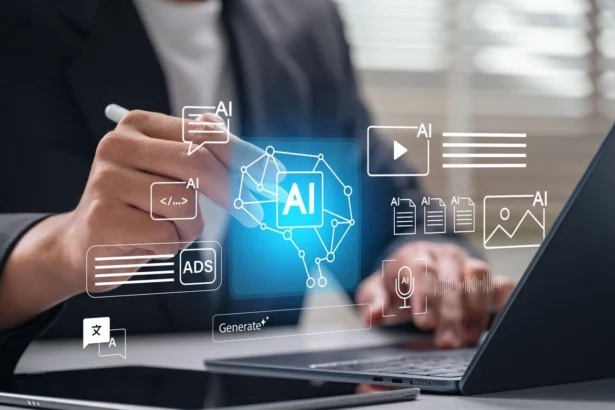
Artificial intelligence is also beginning to transform workplace collaboration. Modern platforms now include automated meeting summaries, smart scheduling systems, workflow automation, and AI-powered task recommendations that simplify team coordination.
Instead of manually tracking conversations and follow-ups, businesses can use intelligent systems to organize communication more efficiently. This reduces administrative overhead while helping teams stay aligned on priorities.
Technology companies continue investing heavily in AI-driven workplace productivity tools because businesses are demanding faster and more intelligent ways to manage collaboration across growing digital operations.
Why This Shift Is Reshaping Workplace Culture
The move away from endless meetings is not just about productivity. It is also reshaping workplace culture. Businesses are beginning to value clarity, efficiency, and focused work more than constant availability.
Organizations that create healthier communication habits often build stronger work environments where employees feel trusted to manage responsibilities independently. This culture encourages accountability while reducing burnout caused by communication overload.
Companies adopting smarter collaboration practices are discovering that better communication does not necessarily mean more meetings. In many cases, it means creating systems where information flows naturally without interrupting productivity.
The Future of Workplace Collaboration
As businesses continue adapting to hybrid work and digital transformation, smarter collaboration systems will likely become standard across industries. Companies are increasingly focused on building communication environments that improve speed, reduce unnecessary complexity, and support employee wellbeing.
Organizations that embrace modern collaboration strategies early are positioning themselves for stronger long-term productivity and more adaptable workplace cultures. Businesses that balance communication efficiency with employee focus will likely gain significant advantages in the future of work.
For expert guidance on workplace technology, collaboration strategy, and digital transformation solutions, connect with BusinessInfoPro. Our team provides insights that help businesses create smarter, faster, and more productive work environments.